Home Minister: Bangladesh seeks Benazir’s UAE bail cancellation over suspected multiple passports
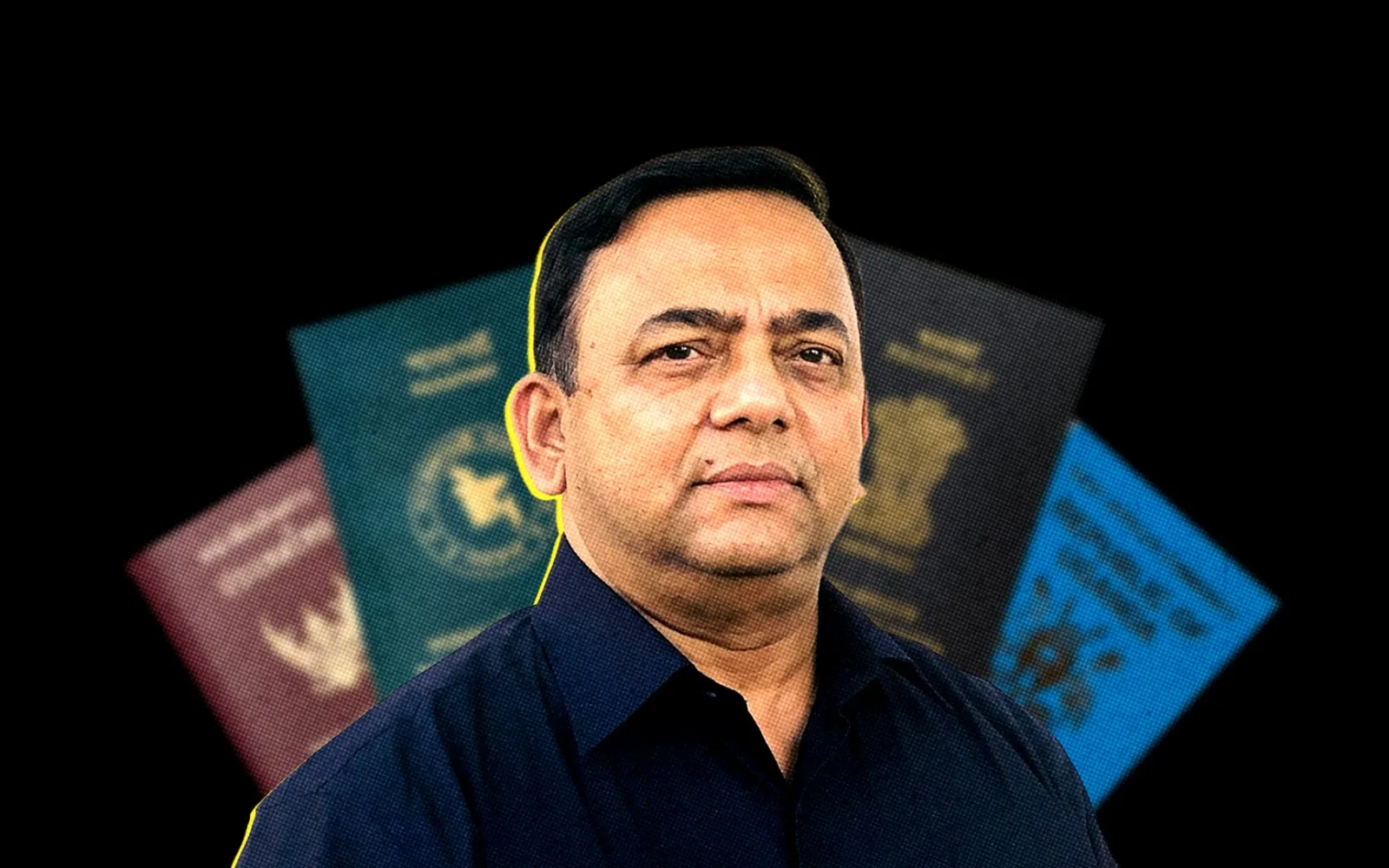
Bangladesh is seeking to cancel former IGP Benazir Ahmed’s conditional bail in the UAE as authorities continue efforts to bring him back over corruption cases filed by the Anti Corruption Commission. Home Minister Salahuddin Ahmed said the government suspects Benazir may hold passports from multiple countries and has asked legal representatives to pursue the matter in UAE courts.
Reading
In a Nutshell:
- Home Minister Salahuddin Ahmed said Bangladesh suspects former IGP Benazir Ahmed may hold passports from multiple countries and is seeking to challenge his UAE bail.
- On July 27, a UAE court granted Benazir conditional bail. He was released on July 30, with the court withholding his passport and stating that he cannot leave the UAE without permission.
- Benazir Ahmed faces Anti Corruption Commission cases over allegations of illegal wealth acquisition and money laundering, which he has denied.
- Bangladesh has contacted its UAE based legal representatives and plans to submit extradition documents to seek cancellation of his bail.
- The government has asked for a certified copy of the UAE bail order and discussed the matter with the UAE ambassador.
Why it matters
Benazir Ahmed's case is no longer only about the corruption allegations filed in Bangladesh. It has become an international legal challenge after his conditional bail in the UAE. The government's claim that he may have passports from multiple countries explains why it is pushing to cancel his bail and speed up extradition efforts, as undeclared travel documents could help him to go into hiding and make it harder to bring him back. With prior records of failing to stop controversial law enforcement officers, it poses a challenge to how Bangladesh tackles this new hurdle in Benazir's extradition case, which will determine if top officials from the previous Awami League government can be held accountable even in exile.
What we think
How prepared were authorities to secure Benazir Ahmed's return before he was granted bail in the UAE? If the government had concerns that he could use other citizenship documents to avoid repatriation, those risks should have been addressed earlier, not after his release on conditional bail. Bangladesh must now convince UAE authorities to cancel his bail by presenting its extradition documents and legal arguments before the court. However, why are there no prevention measures regarding the loopholes that consistently allow the perpetrators to escape? When the malfunctions appear repetitively, it raises the question whether it is always an accident or a deliberate attempt to aid them to escape than receiving the punishment they deserve.