For The Love Of Coffee
Across the world, we love a cup of coffee in our own way, whether for a boost of productivity or the rich flavour. But behind the warmth of the coffee lies the cold injustice faced by the workforce.
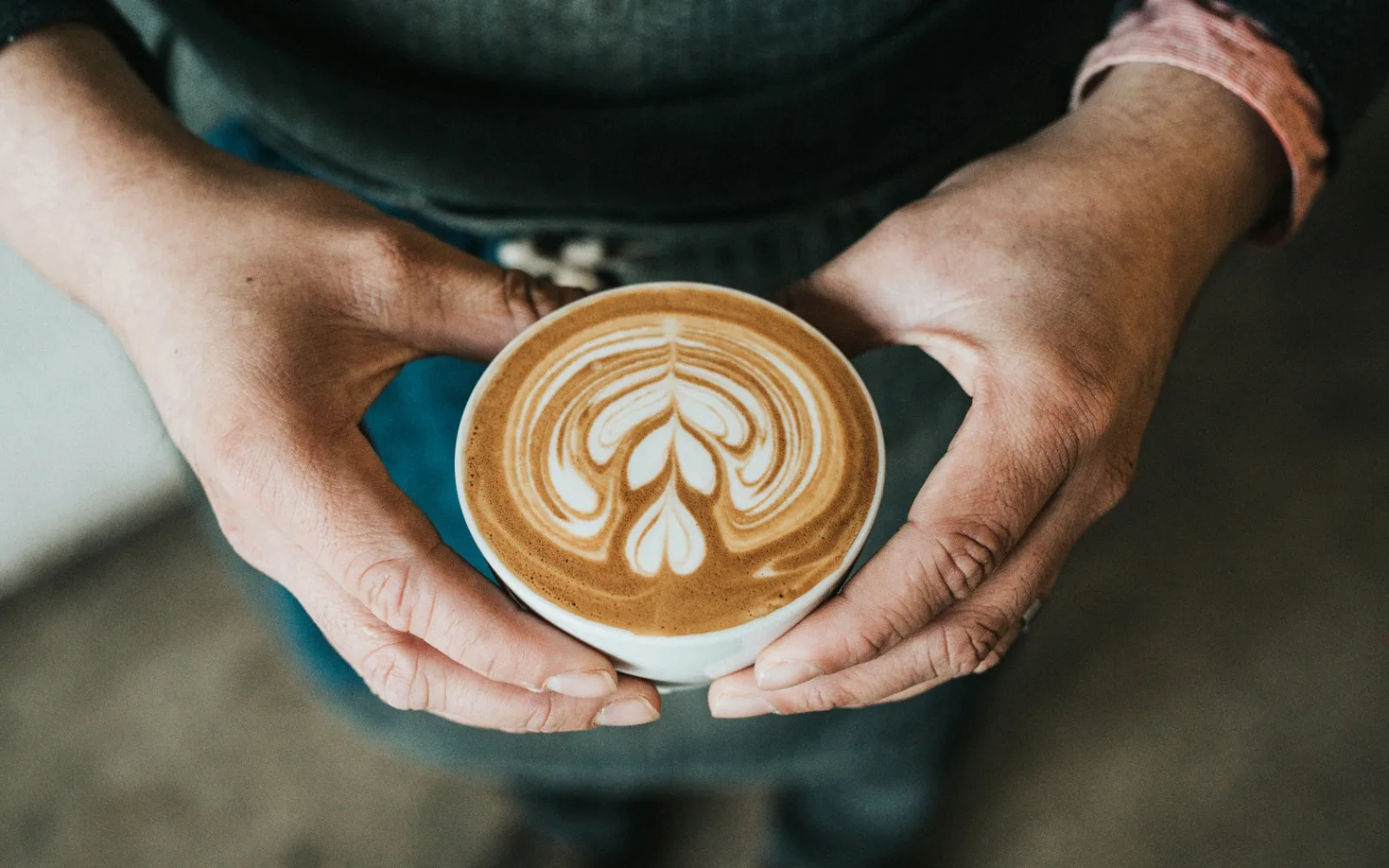
As I watch thin wisps of steam rise from my coffee, I realise there is something almost universally familiar about a cup of coffee beside an open laptop.
A drink strongly associated with productivity, people often rely on coffee to start their day or get the extra push they need to get their work done. Many great minds (including French novelist Honoré de Balzac, who was rumoured to drink 50 cups of coffee a day) have relied on this beverage to aid in creating their masterpieces.
However, productivity is not the only reason why so many of us love this beverage. Coffee is a big part of our lives, for reasons that are as different as they are fascinating. Some simply enjoy how it tastes, while others are constantly thinking of new ways to make it. From making instant coffee really fancy to saving up for expensive beans, coffee has become as much a hobby as a beverage.
And with the rise of cafes, coffee has also taken on the responsibility of bringing people together. As someone who loves going to cafes, I cannot help but admire the comforting and rather unique atmosphere they provide.
Perhaps this is possible because of how easy it is to incorporate coffee into every kind of table. If you are catching up with friends, grabbing a cup of coffee is a low-effort way to do so. Need to get some work done but can’t focus at home? Cafes can provide the perfect environment and beverage to fix that. Need to have a business meeting but don’t want to make it too formal or awkward? Cafes can accommodate that too!

And of course, dates. I wonder how many love stories started over two cups of coffee. Because cafes, here or abroad, remain the undisputed king of first-date spots. A quick “How do you take your coffee?” is all it takes to break the ice, start a great conversation, and give you an idea of who you’re sitting across from.
I think how a person drinks their coffee can tell a lot about their life. I have a friend who likes putting vanilla essence in their Americanos. Another friend adds coffee to their tea because that’s how their mother used to make it. I once even met someone who didn’t know 3-in-1 instant coffee sachets existed until I introduced the product to them!
Coffee carries countless stories because the versatility of the drink allows people to truly make it their own. And this goes beyond just personal preferences. Different cultures have embraced coffee in their own ways. In Finland, the country that consumes the highest cups of coffee, people often enjoy their caffeine with a small pastry. In Vietnam, people like drinking their coffee with a cream made from egg yolks and condensed milk, and in the Middle East, coffee is commonly made with spices such as cardamom and saffron. Turkish coffee is so special that it is recognised as a UNESCO intangible cultural heritage.
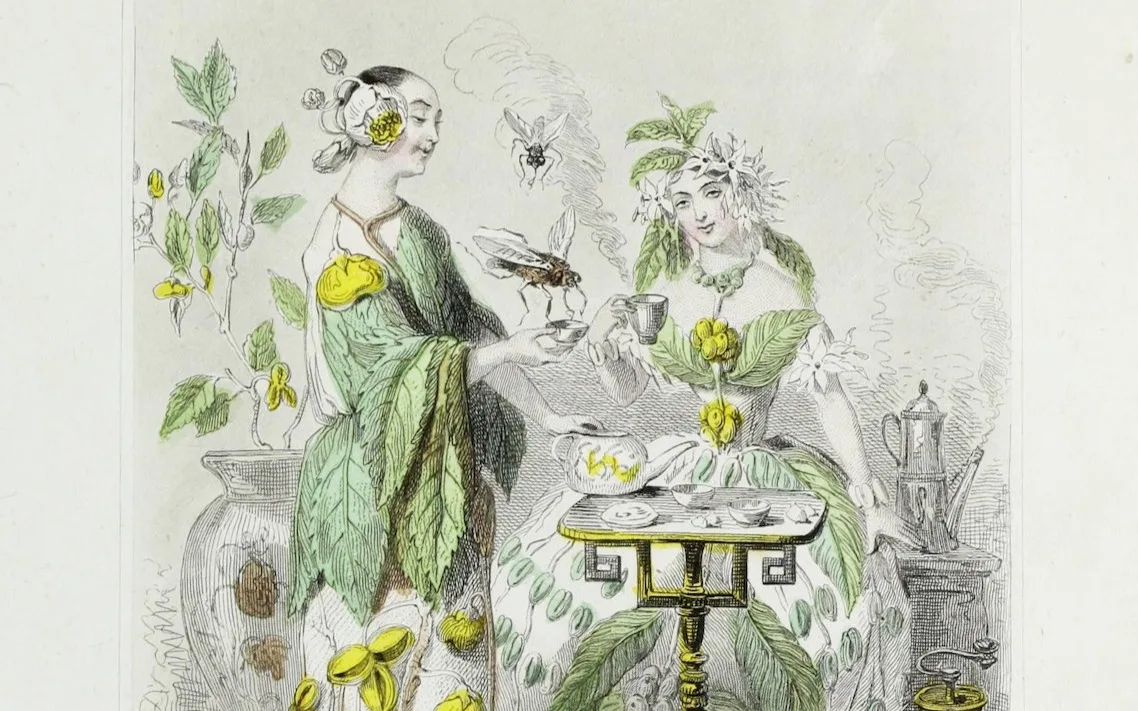
However, if you are someone who doesn’t like drinking coffee, perhaps you like eating it! Coffee’s rich and complex flavours have inspired a lot of coffee-flavoured dishes, the most famous one being tiramisu. But coffee is also used in brownies, cookies, and other chocolate desserts, because it makes chocolate taste better. Not just desserts, coffee is also used in certain savory dishes, including steaks and gravy!
The Dark Side Of The Coffee Industry
Given how loved coffee is all over the world, it only makes sense for the drink to have its own special day. The United Nations has marked the first day of October as International Coffee Day, so today is all about celebrating coffee not just as a daily ritual, but also as a global livelihood. The global coffee industry is massive and employs over 25 million farming households. And this would have been amazing…if farmers were receiving their fair share of the profit.
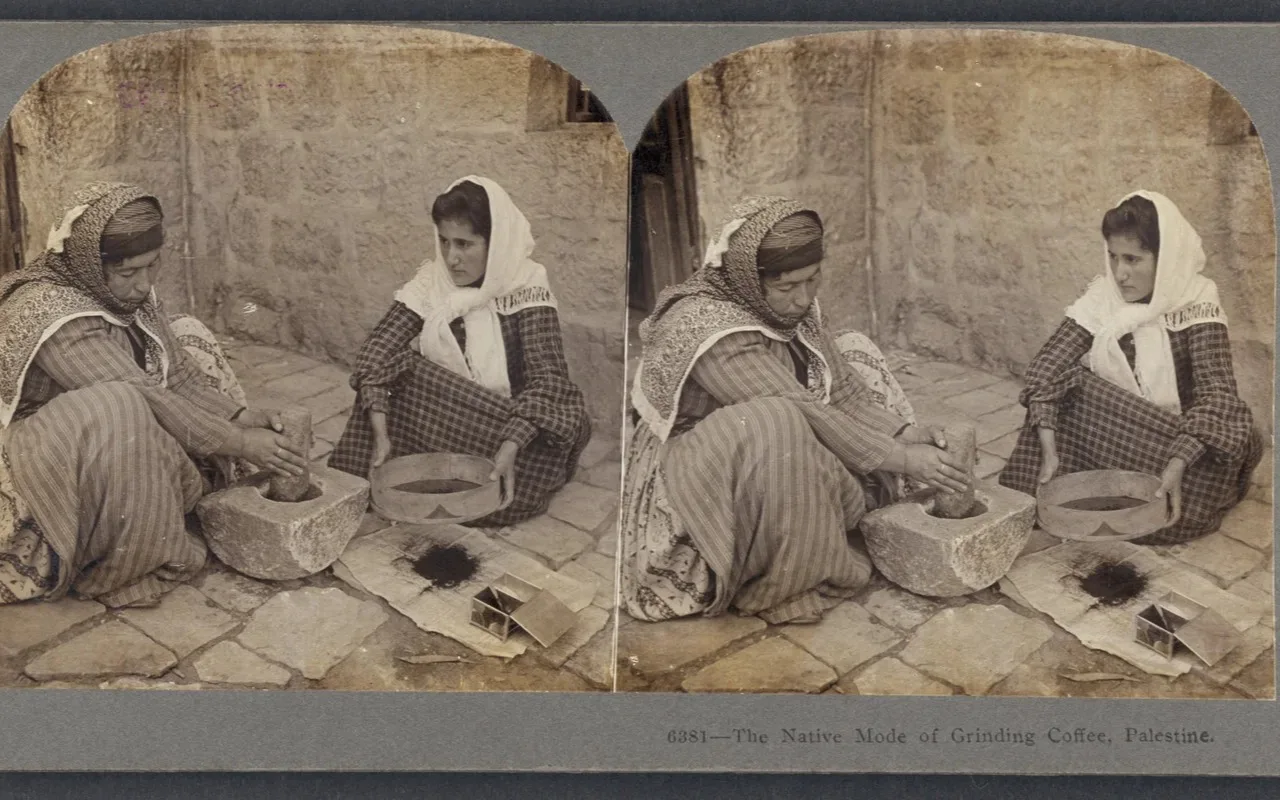
Unfortunately, the coffee industry is plagued with economic exploitation, and farmers receive the worst end of it all. One of the most obvious signs of exploitation is seen in how coffee is mostly produced by the Global South, but consumed by the Global North. Coffee farmers in the Global South only receive 2-10% of the final retail price of coffee. Moreover, coffee farms have been accused of exposing their workers to hazardous conditions, paying criminally low wages, and even participating in child exploitation by employing children as young as eight to cultivate coffee.
The dark side of the coffee industry is something that exists in any and every consumer good around us, especially those that heavily rely on global trade. It doesn’t simply end at economic exploitation. A product with such high demand naturally requires rapid production, which means cultivable lands get heavily exploited with fast-growing species and chemicals, causing inevitable environmental destruction.
So are we supposed to simply let go of our love for coffee? Of course not. Even if we all stopped drinking coffee immediately, it wouldn’t solve these problems, but would instead put 25 million families out of jobs. Therefore, the solution is to find a way to enjoy coffee while also ensuring a good life for the ones who bring it to our table.
As conversation around the injustices behind coffee has taken center stage, people have found various ways to combat the atrocities while still enjoying their favorite beverage. Fair trade certifications make this possible. A small fair-trade certification sticker on a bag of coffee can help a consumer know that the coffee they are buying ensures fair wages and safe working conditions for people.
However, a common critique of this is that sustainably-sourced and fair-trade coffee is not as accessible or affordable as regular coffee. Even being able to afford such coffee is a privilege, and is once again mostly available to consumers of the Global North. For a country like Bangladesh, regular coffee in itself is rather expensive, so indulging in fair-trade coffee is not something we can afford.
Therefore, for countries like us, growing our own coffee locally might be a better solution. Locally grown coffee can eliminate the inequalities related to the global trade of coffee, while also lowering coffee prices. This is more feasible than one might think, because Bangladesh has been experimenting with coffee cultivation in the last two decades, and it has slowly turned into an emerging agricultural sector. And while locally grown does not immediately ensure equity (it might, in fact, result in more exploitation), it does allow us to have a closer look at the cultivation practices and be more aware of where our beloved drink is coming from.
Ultimately, the economic, social, and environmental exploitation around coffee is a complex problem, and will require both strong national and international regulations as well as awareness from the consumers.
If someone can afford to indulge in fair-trade coffee, they should definitely do so. However, if that is not feasible, simply learning and actively talking about the injustices behind our cup of coffee can be more powerful than one might think. After all, wouldn’t the best way to express our love for coffee be by caring for the hands that cultivate it?
Syeda Maisha Zahir is an environmentalist and performing artist, perpetually caught between an identity crisis and anti-capitalist rants. Find her at zahirmaisha@gmail.com.