EU Flags Possible Bias Against European Fire Equipment in RMG
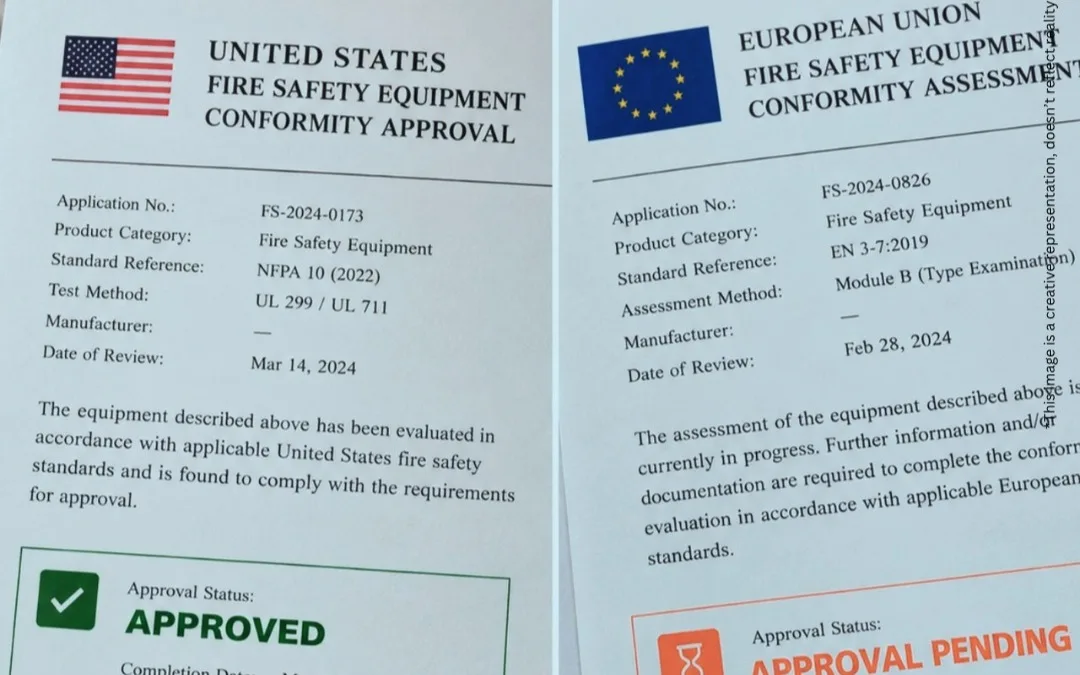
The EU has raised concerns that European fire safety equipment used in Bangladesh’s garment factories faces longer approval delays than systems based on US standards. RSC denies favouring any particular standard, while its own data shows that both European and US certified equipment are widely used across the sector.
Reading
In a Nutshell
- EU Ambassador Michael Miller said fire detection systems complying with EN 54 and VdS standards appear to face more scrutiny and longer delays than systems based on US UL and NFPA 72 standards.
- RSC said more than 1,900 covered factories use fire alarm and detection systems from 32 manufacturers, including 19 from Europe, seven from the US and Canada and six from Asia.
- Of 61 approved equipment models, 23 comply with EN 54 or VdS standards and 38 with NFPA 72 or UL standards.
- The EU called for equal treatment of European and US standards, clearer technical guidelines, review procedures and approval timelines.
Context
Questions over supplier neutrality in garment safety are not new. In November 2014, factory owners alleged through BGMEA that Accord and Alliance were pushing them towards particular suppliers and UL certified fire doors. Alliance denied the allegations, saying it accepted doors certified by UL, Intertek, SM Global, BS and EU standards.
The current complaint is more specific. The EU says factories that invested in European certified systems have sometimes remained uncertified for years after RSC reviews, while US standard based systems appear to have moved through the process more quickly. Some factory owners, it says, have consequently replaced European equipment with competing products.
Why It Matters
If the EU’s claims are true, RSC’s approval process could influence which international fire safety standards become commercially viable across Bangladesh’s garment industry. Even though RSC formally accepts both European and US systems, a consistent difference in approval times would give factories a practical reason to choose equipment that can be certified faster. Over time, that could shift demand towards US standard-based products without any formal decision to exclude European suppliers, affecting a market in which factories have already invested heavily in fire safety equipment.
What We Think
RSC has provided data on its suppliers confirming that European equipment is being approved, but it does not indicate whether factories using it have faced longer or more complicated reviews. Until that comparison is available, the EU has a basis for its concern about unequal treatment, but there is still no evidence that RSC is deliberately favouring US products.