HC Questions Nepal Travel Block on Three Women
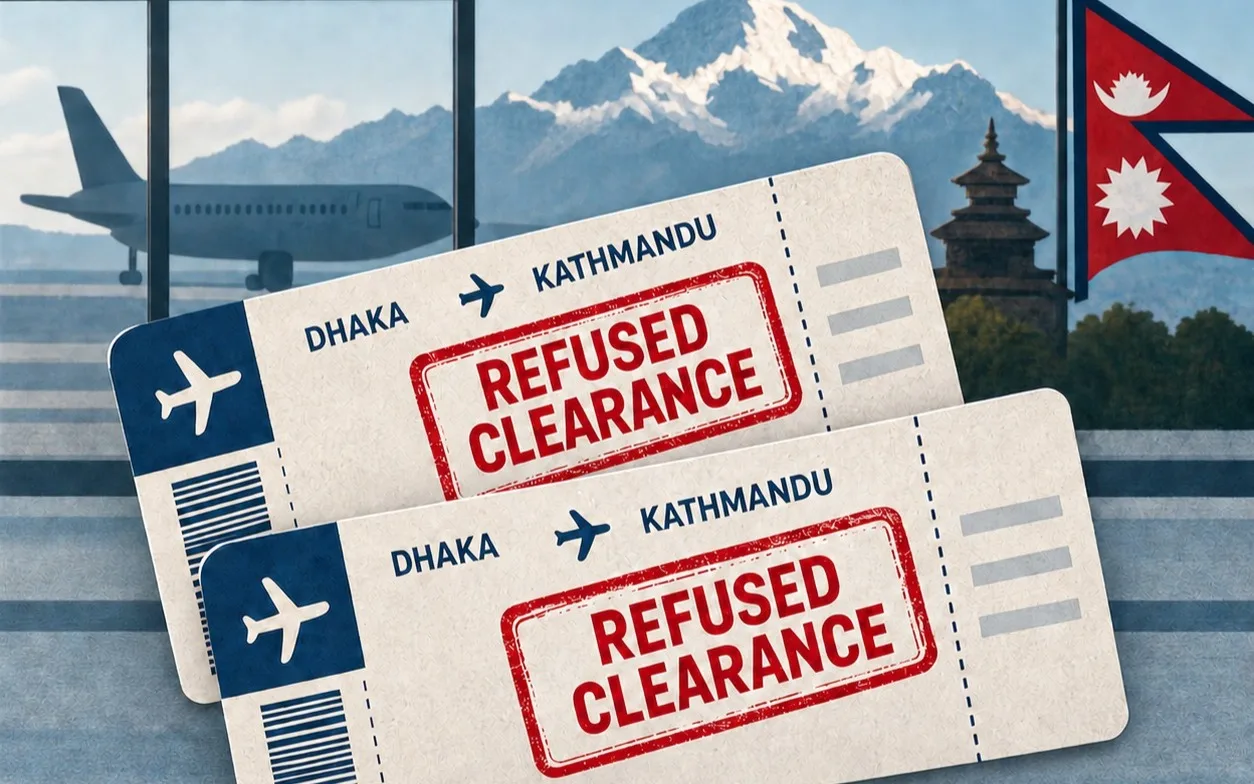
Three adult women were stopped from flying to Nepal from Dhaka airport on 8 August despite having valid passports and travel documents.
Reading
In a Nutshell
- Three adult women were stopped from flying to Nepal from Dhaka airport on 8 August despite having valid passports and travel documents.
- They allege immigration officers questioned why they were unmarried and travelling without family consent, then refused clearance without giving a reason.
- On 29 September, the High Court asked why the action should not be declared illegal and ordered an inquiry within seven days.
- Immigration authorities have also been told not to obstruct the women’s future travel without a lawful basis.
Context
Rifa Tamanna, Sohani Islam Somapty and Naznin were travelling to Nepal to attend a conference as mediators associated with the Bangladesh International Mediation Society. Nepal allows Bangladeshi visitors to obtain a visa on arrival with an Electronic Travel Authorisation. After being stopped on 8 August, they filed a complaint on 31 August seeking an investigation, CCTV preservation, action against officials and compensation. With no response, they sent a legal notice on 6 September and filed the writ on 15 September.
Why It Matters
A basic question: can immigration officials prevent adult citizens from travelling abroad without a legal reason or written explanation? The women’s allegations suggest that marital status and parental permission may have influenced an official decision, potentially conflicting with constitutional protections of equality and freedom of movement.
A clear court ruling could require immigration authorities to rely on documented legal grounds, such as security concerns, court orders, or invalid documents, rather than on informal social judgments. It may also strengthen accountability for financial losses caused by unjustified airport decisions.
What We Think
Bangladesh can establish public, uniform rules for denying exit clearance, including written legal reasons, supervisory approval and a fast airport review process. Anti-trafficking and security screening remain important, but decisions can be based on documented risk indicators rather than on an adult woman’s marital status or whether she travels with relatives. The High Court-ordered inquiry can clarify whether officials acted within the law and determine accountability for the travellers’ reported financial losses.