Heatwave causes $1.8 billion loss in Bangladesh, says World Bank
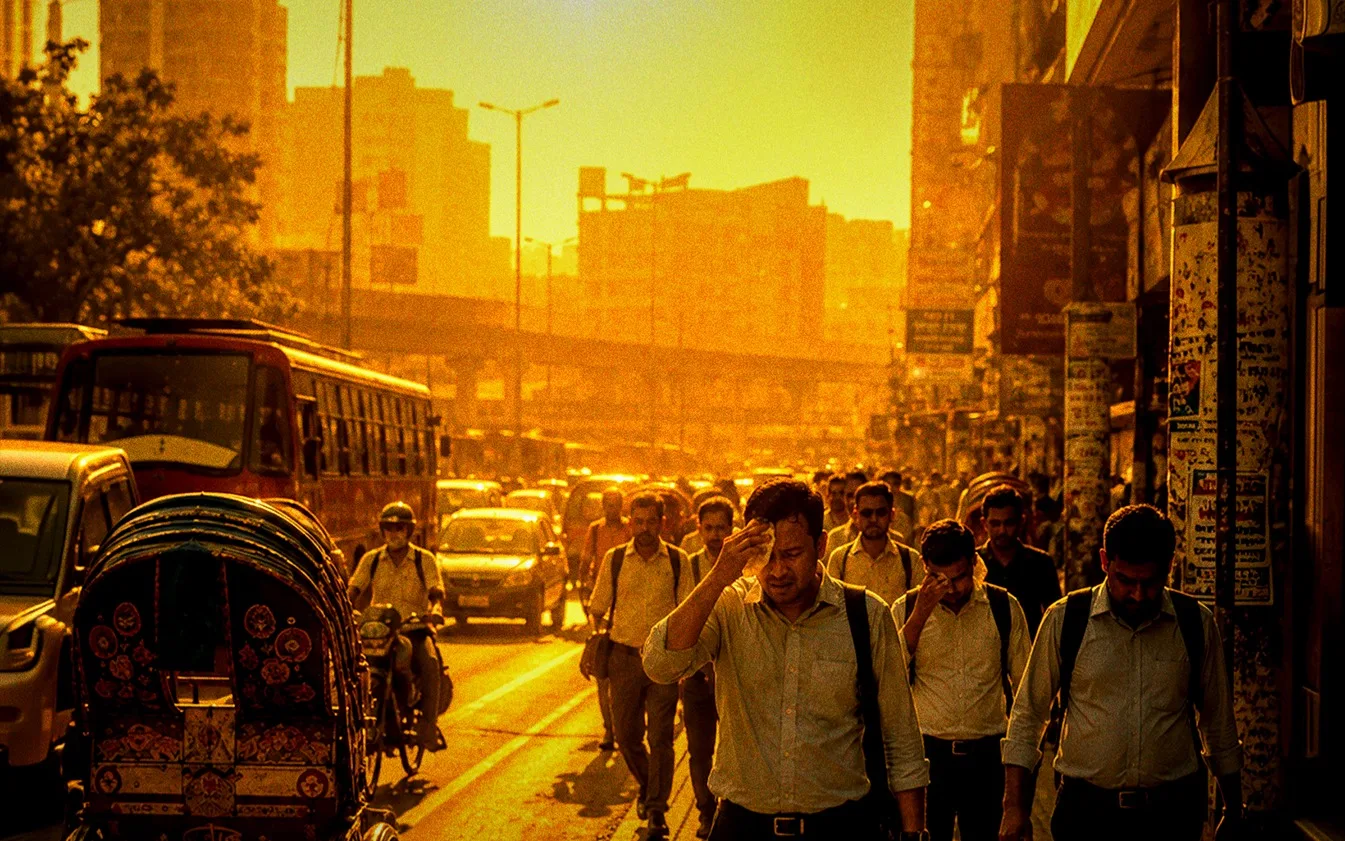
Extreme heat caused Bangladesh an estimated $1.3 to $1.8 billion in economic losses in 2024, according to the World Bank. The report warned that rising temperatures are putting productivity, jobs and economic growth at risk.
Reading
In a Nutshell:
- World Bank estimated heat related losses at 0.3 to 0.4 per cent of Bangladesh’s GDP in 2024. garment sectors could lose up to $65.8 billion in export earnings by 2030.
- Extreme heat reduces about 3% of annual working hours in Dhaka, equal to 465,000 full time jobs.
- Bangladesh’s garment sector faces growing heat risks that could affect productivity and worker safety.
Why it Matters
The World Bank estimate is a significant wake-up call for Bangladesh to take heat management more seriously to protect one of its most important export industries, the garments sector. A joint analysis by the ILO, IFC and Cornell University found that heat stress could put up to $65.8 billion in garment export earnings at risk across Bangladesh, Pakistan, Vietnam and Cambodia by 2030 without effective measures.
What We Think
Bangladesh’s garment sector has built its competitiveness around a large workforce, but extreme heat could make it harder to sustain that advantage as worker productivity and working hours are affected. The challenge is not only improving factory conditions, but also ensuring producers can maintain output, meet global demand and protect workers as temperatures rise. Heat adaptation will increasingly become part of how Bangladesh competes in the global export market.