Iran Closes the Hormuz as Iran-US War Spreads to Yemen
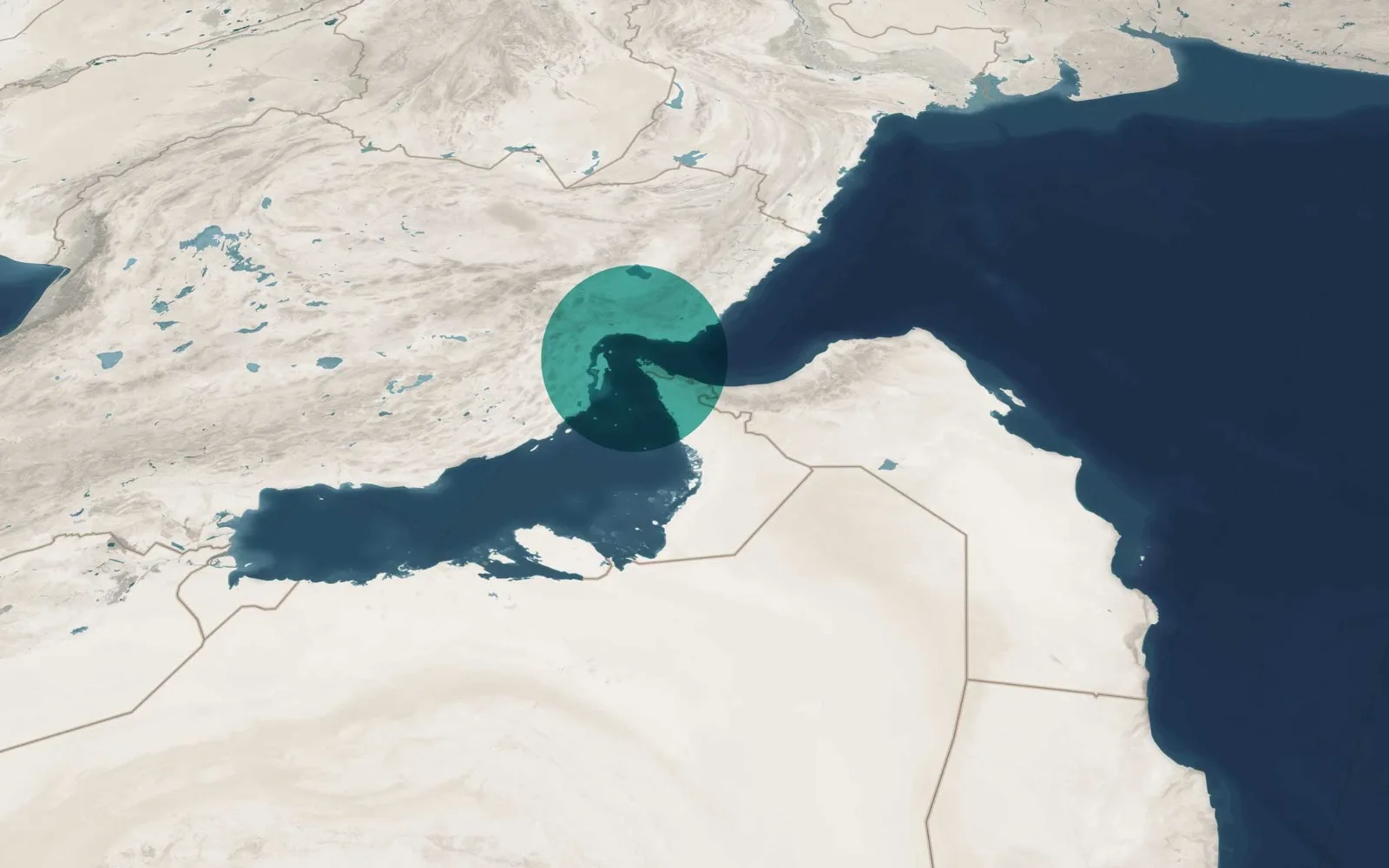
The Iran-US war has expanded into Yemen as Iran-aligned Houthi forces intensify attacks on Saudi targets, while Yemen’s internationally recognised government launches a major offensive. At the same time, Iran says the Strait of Hormuz will remain closed until its conditions are met.
Reading
In a Nutshell
- Yemen’s internationally recognised government announced a major military campaign on October 4 to retake territory controlled by the Iran-aligned Houthis, according to Reuters.
- The Houthis responded by claiming missile and drone attacks on Saudi Aramco facilities in Riyadh and the Khurais area, saying the attacks followed Saudi-led strikes on Houthi positions.
- The Houthis have recently captured territory along Yemen’s Red Sea coast, including areas around the Bab el-Mandeb Strait, a key route connecting the Red Sea with the Gulf of Aden, Reuters reported.
- Iranian Parliament Speaker Mohammad Baqer Qalibaf said on October 4 that the Strait of Hormuz will remain closed until seven conditions under an earlier understanding with the US are fulfilled, according to Reuters.
- Iran had previously proposed reopening the Strait of Hormuz within seven days if those conditions were met, but no agreement has been reached.
Context
The Houthis have longstanding ties with Iran and have previously attacked shipping and regional targets in conflicts linked to Tehran. Their latest escalation comes as the Iran-US war has already disrupted shipping through Hormuz. At the same time, Saudi Arabia has been directly involved in Yemen’s conflict for years and backs the internationally recognised Yemeni government.
The government’s new offensive is therefore not simply Yemen joining the Iran-US war. It is also a renewed phase of Yemen’s own civil war, now connected to this wider regional conflict. As reported by Reuters, the 2022 truce, which had largely contained the fighting, has effectively broken down amid the latest escalation.
Why It Matters
War is already carrying an economic cost far beyond the countries directly involved. With the Strait of Hormuz closed and the Bab el-Mandeb increasingly threatened, two critical routes for energy and global shipping are under pressure simultaneously. According to Reuters, Brent crude stood at about $101.59 a barrel on October 4, despite the G7 releasing emergency oil reserves. For countries such as Bangladesh that depend heavily on imported fuel, gas, and raw materials, prolonged disruption can eventually lead to higher transport, electricity, food, and production costs.
What We Think
With the widening of regional conflict, Bangladesh’s earlier decision not to rush into the Mecca Defence Pact now looks particularly significant. Joining the military bloc may have made Dhaka’s position harder to maintain as the “friend to everyone, malice to none,” as keeping working relationships with both Iran and the US gives Dhaka enough room to protect its own interests.