Iranian Women Take Up Arms as Tehran Prepares for War
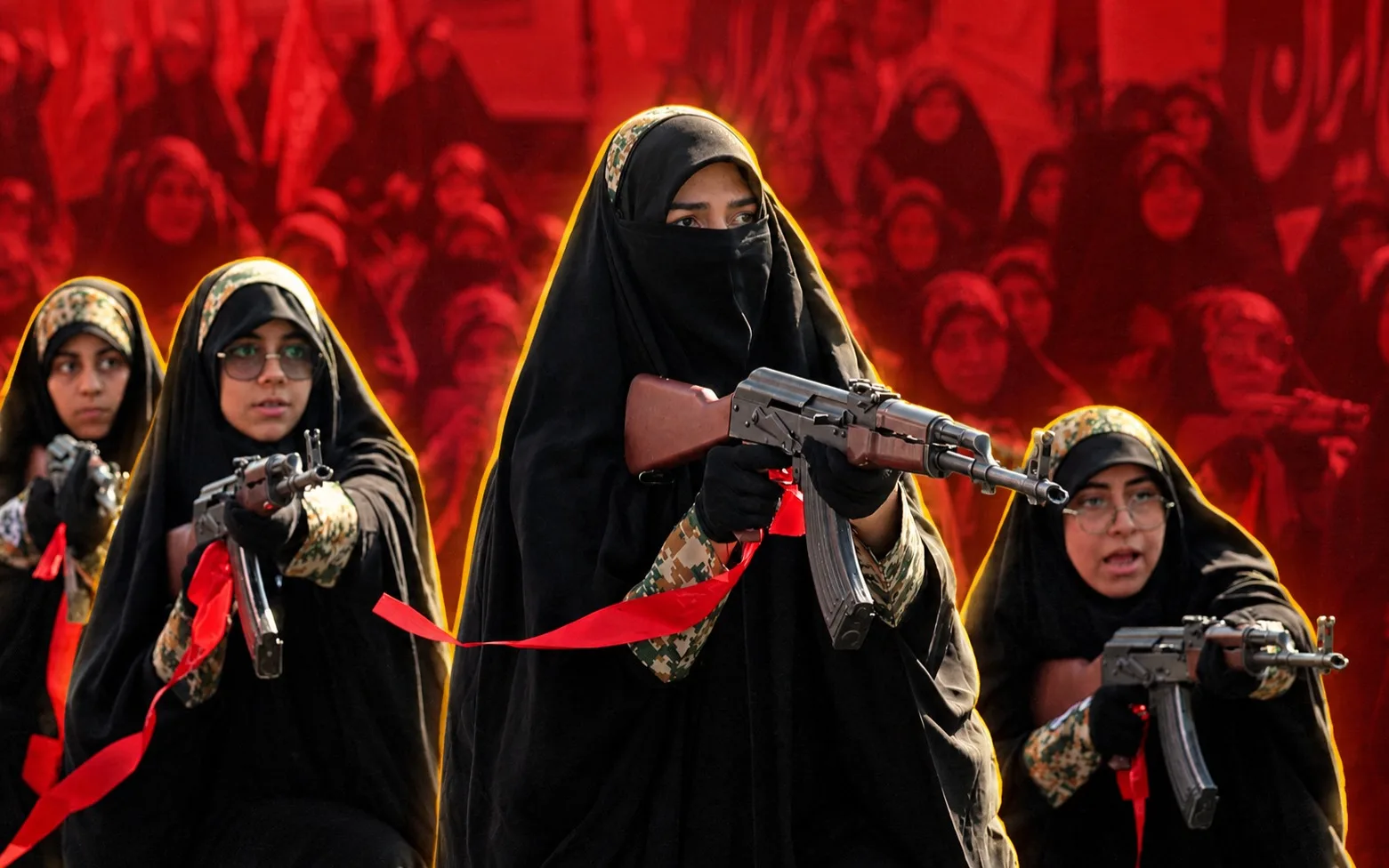
Iranian women volunteers in Tehran have begun basic firearms and military training at civilian centres, amid heightened tensions involving Iran, the United States and Israel.
Reading
In a Nutshell
- Iranian women volunteers in Tehran have begun basic firearms and military training at civilian centres, amid heightened tensions involving Iran, the United States and Israel.
- The publicly stated aim is civilian preparedness: enabling participants to defend families and communities if conflict reaches Iranian territory.
- The training appears to be linked to a broader civilian mobilisation drive, reportedly involving emergency response, security preparedness, and other national defence roles.
- Iranian authorities and allied media have cast the mobilisation as a response to the prospect of external attack, particularly from the United States or Israel.
- There is no clear public evidence of a compulsory female draft or large-scale deployment of women into regular front-line combat formations; participation appears voluntary.
Context
Iran has long relied on a layered defence model combining regular armed forces, the IRGC, the Basij volunteer network and partner militias across the region. Civilian mobilisation is therefore not a new doctrine, but the visibility of women’s firearms training reflects a sharper phase of threat perception and public messaging. Tehran has repeatedly presented national endurance and “resistance” as a counter to adversaries’ technological superiority; the current drills fit that established pattern of deterrence through societal preparedness as well as military capability.
Why It Matters
The training is less evidence of an imminent mass deployment of women than of Iran’s effort to broaden deterrence beyond its conventional military and the Islamic Revolutionary Guard Corps. It projects a message that any attack could trigger decentralised social resistance, complicating assumptions about a quick military outcome. At home, the campaign also turns preparedness into a test of national resilience, while externally it raises the political and humanitarian costs of escalation.
What We think
Women receiving firearms training in Tehran are not the story in and of themselves. They are the clearest image yet of Iran’s wider bid to turn civilian resilience into a weapon of deterrence.