Villainising Survival?
Kongon Dasi and the Bangladeshi media’s portrayal of willful women
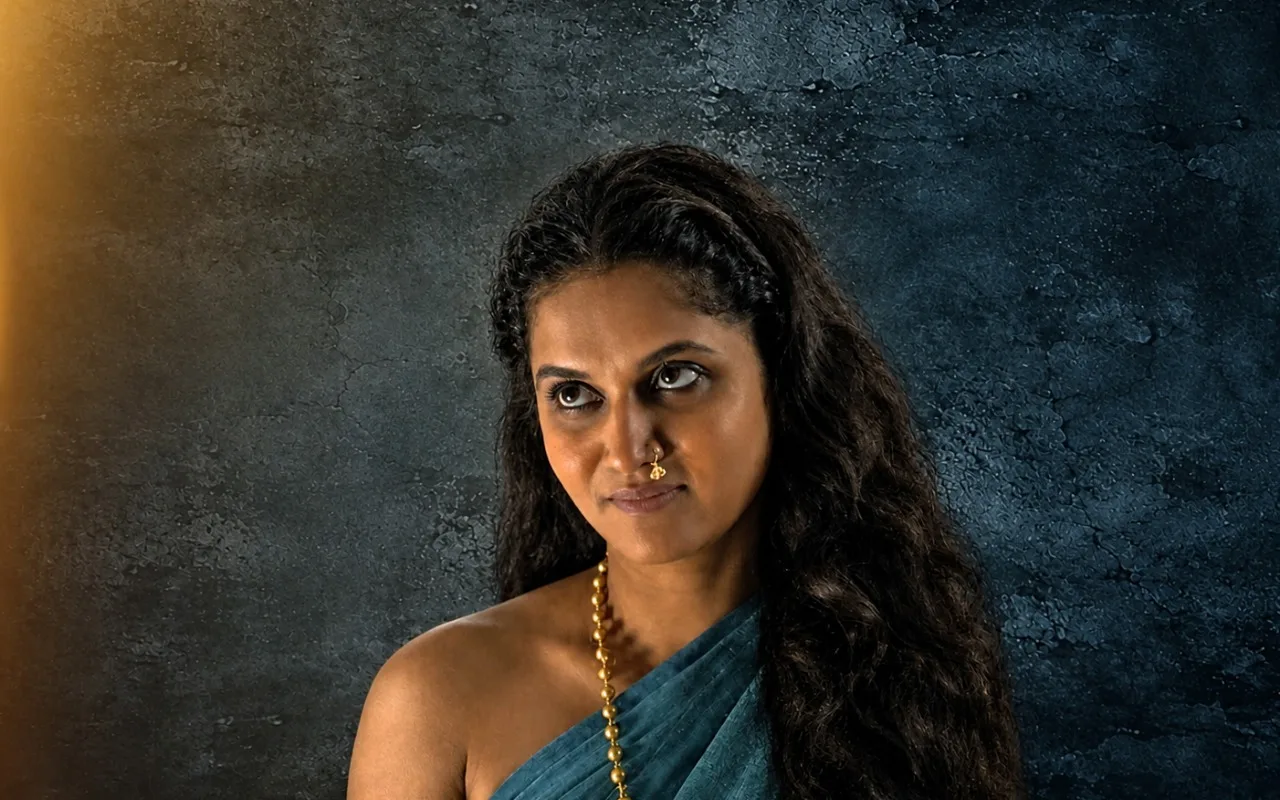
Have you ever made a decision where you prioritized your own well-being, even if it disappointed others? If the answer is yes, then it is possible that you can be perceived as a killjoy in someone else's story. Just like Kongon Dasi.
Kajol Rekha is a 400-year-old Bengali fairy tale and a classic tragic love ballad from the Mymensingh Gitika. In 2024, it was adapted into a musical drama film of the same name. The narrative primarily revolves around two female characters, Kajol Rekha, a submissive, calm, and self-sacrificing feminine ideal, and Kongon Dasi, a defiant and willful woman who refuses to surrender to her prescribed societal role, as presented within the narrative. Looking at how the movie set up its two main ‘female’ characters, it really makes me think how the media is still actively trying to dictate exactly how an "ideal" woman should behave.
To elaborate, Kajol Rekha, who is basically the poster child for the calm, submissive, and endlessly self-sacrificing woman. On the other hand, there's Kongon Dasi, who totally refuses to just accept her life as a dasi (slave) and actually fights for what she wants. Paying attention to the visual cues, the background music, and the dialogue, makes it so obvious that the narrative is essentially forwarding stereotypes of the 'ideal woman' in society. To me the message comes out loud and clear that if you stay quiet and suffer gracefully, you get rewarded and idolized. But the second you prioritize yourself pushing back against the ‘rules of the society’ like Kongon Dasi you can instantly be painted as a villain and a threat to everyone's peace around you.
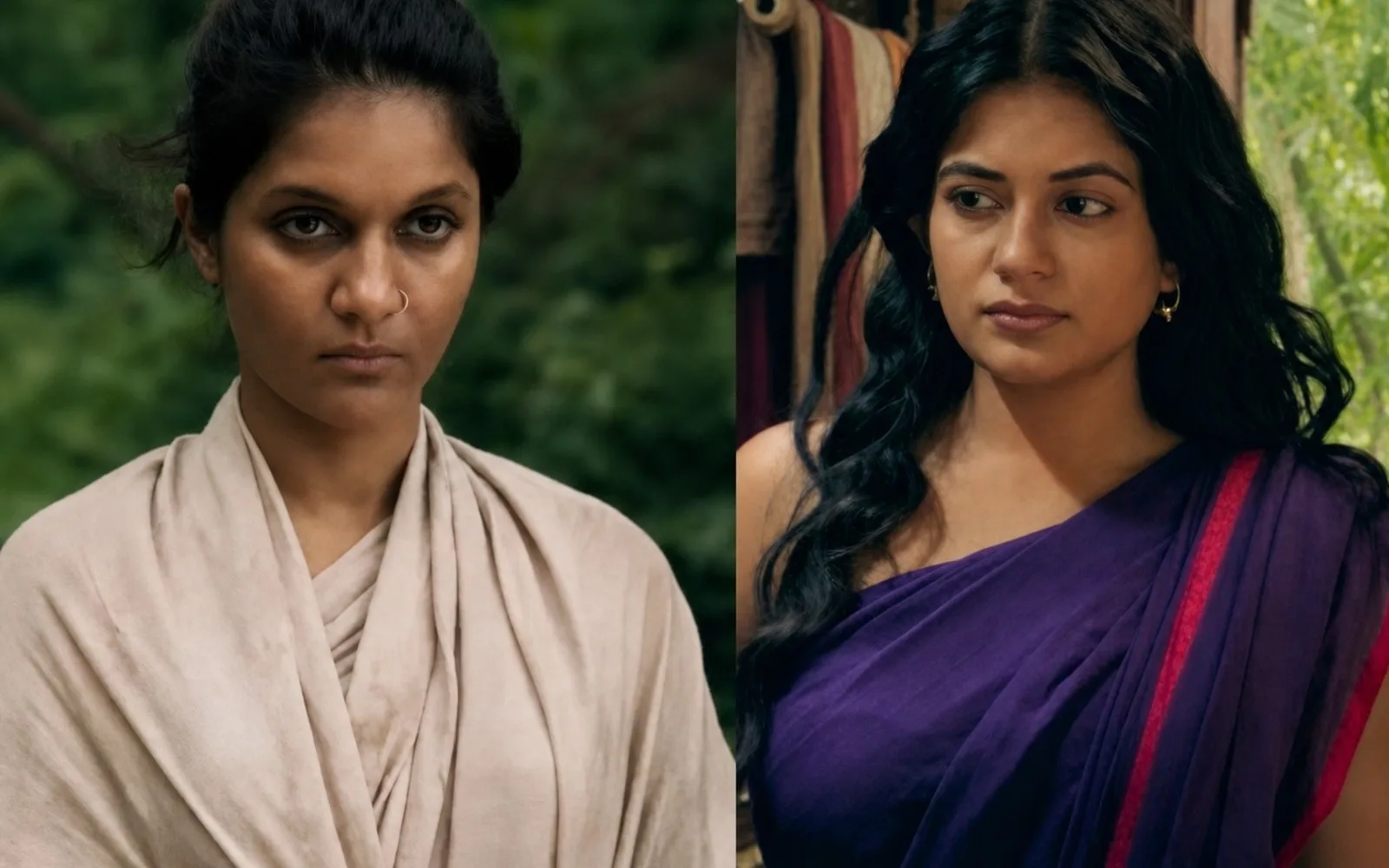
Kajol Rekha
To understand this dynamic, we must look at the story. Kajol Rekha, the daughter of a merchant, is left in a remote forest temple due to a dire prophecy. There, she discovers a cursed, lifeless prince whose body is pierced with countless needles. If she removes them patiently without interruption, he will live. While bathing after completing this grueling task, Kajol Rekha meets a destitute mother selling her young daughter. Moved by pity, she buys the girl in exchange for a gold bangle, naming her “Kongon Dasi” which literally means the maid of bangle. Trusting her completely, Kajol Rekha leaves Kongon Dasi to guard the temple and apply medicinal leaf-juice the moment the final needles fall.
When the prince wakes up and asks Kongon Dasi if she was the one who saved him. She seizes the opportunity to improve her social status by taking credit for Kajol Rekha's good deeds and immediately agrees to marry him. Bound by a hermit’s previous warning, Kajol Rekha quietly accepts the role of a palace maid, while Kongon Dasi becomes the queen.

The Feminist Killjoy
British-Australian feminist theorist Sara Ahmed coined the concept of the “killjoy” which refers to someone who raises their voice or points out issues that are considered normal in society. Basically they disrupt the facade of joy and happiness. In the feminist reading, “The feminist killjoy”Ahmed says feminists are perceived as killjoys because they do not conform to societal expectations of happiness. They disturb the fantasy. They are accused of intentionally ruining the happiness of others because they are unhappy from within.
The narrative is built around the idea of an ideal woman based entirely on how submissive and sacrificing they are. If we put moral judgments aside for a second, Kongon Dasi is actually just not really trying to resist societal norms. The moment she gets an opportunity to upgrade her life, she takes it and within the narrative, it disrupts the peace of her surroundings and her pursuit of personal agency is eventually framed as a threat.
On the other hand, the protagonist, Kajol Rekha is presented as this embodiment of beauty, sacrifice, and calmness. She was supposed to marry the king, but when her fate turns upside down, she surrenders to the situation. Instead of speaking up for herself, she sacrifices her time, status, and love for a man she had never previously interacted with. She laments, “I do not have a father. I do not have a mother. Now, I even lost what I had,” referring to her lost marriage. Even in adversity, reduced from a future queen to a slave, she decides to remain calm to protect ‘the peace of her surroundings’. Ahmed says beautifully that women must be a beacon of hope and joy, even if it is a facade. This self-erasure is what society idolizes and appreciates.

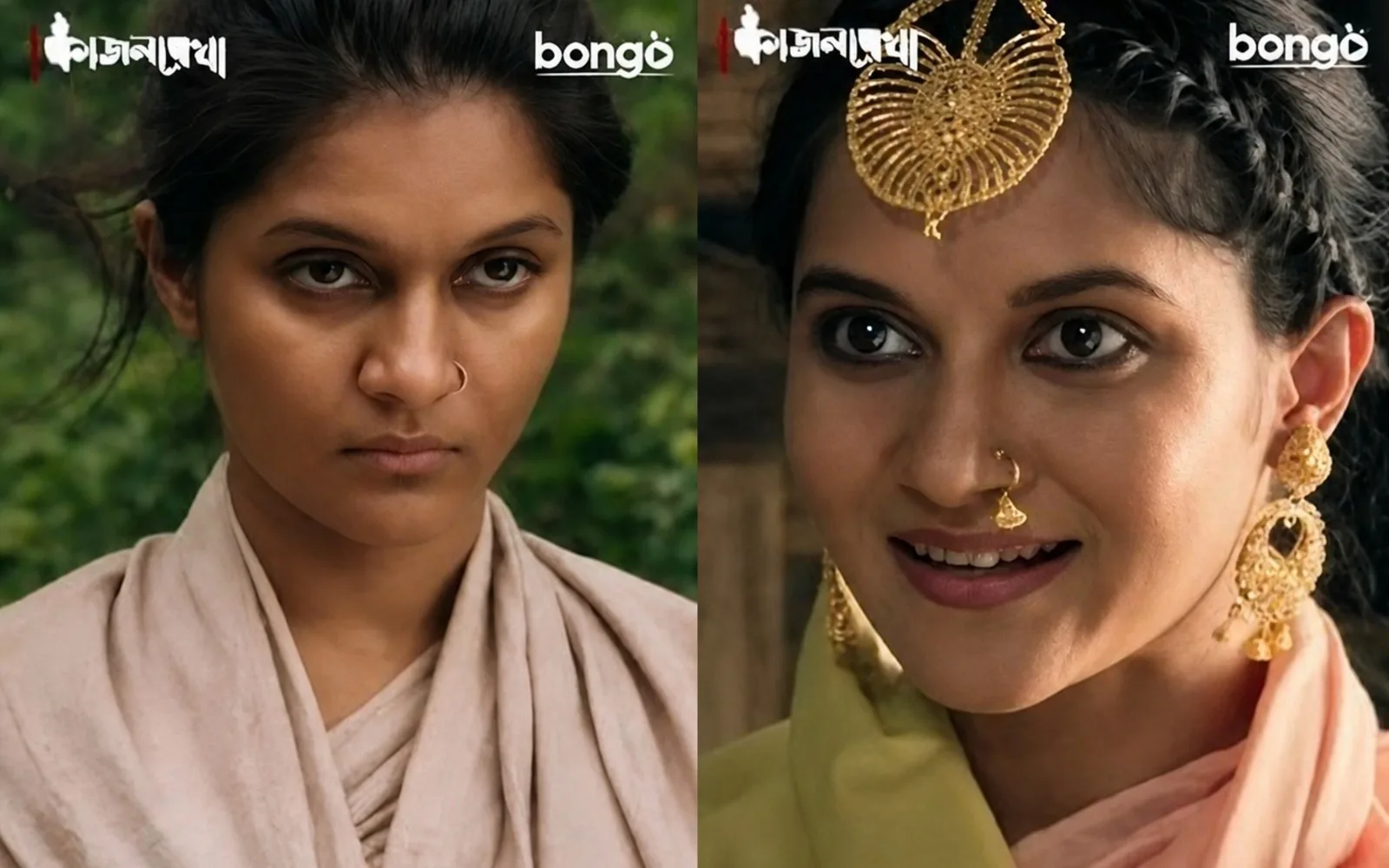
Conversely, through Kongon Dasi’s character, the narrative exposes traits of the society that it considers flaws within women in this idealized world. First, she disrupts the "ideal" by defying the expectations of her role as a dasi (slave). The moment she gets the opportunity to upgrade her social status, she seizes it. When the king asks to marry her, she agrees without a second thought or apology. She knew she was a maid, yet she prioritized her own desires because she believed she could change her fate. This does not end here. Throughout the film, visual elements are deliberately used to make it obvious that she is supposed to be mocked.
Firstly, as the "queen," she faces immense pressure to excel which leads her to naturally express her insecurities. For example, during the Alpona drawing, what should have been a fun evening becomes an intense competition. Naturally, Kajol Rekha outshines her, and the film frames Kongon Dasi’s failure as a mockery of her inadequacy. Furthermore, Kongon Dasi is what Ahmed calls an “affect alien”, someone whose emotions fall outside the accepted norm. When Kongon Dasi feels jealous seeing her husband talk to Kajol Rekha, she does not hide it. She directly confronts him, stating, “I am not at peace, King.”

Most importantly, to ensure the audience identifies Kongon Dasi as the disruptive force, the film heavily relies on visual and auditory cues. Once she becomes queen, she is styled with dark, bold, smoky eye makeup and heavy accessories to make her come across as intense, mysterious, and evil. Within the same frame, her physical acting deliberately contrasts with Kajol Rekha’s grace. Like, Kongon Dasi wears a continuous wicked expression like a smirk, narrowed eyes, and a raised eyebrow, signaling malicious intent. Her walk is stiff and zig-zagged, almost like a gender-stereotypical masculine movement that seems like it was meant to strip away her femininity. Even dialogue is used to visually degrade her. She is referred to as a ‘witch,’ while Kajol Rekha is a ‘precious gem.’ Moreover the narrative contrasts the characters through their grooming habits. For example, Kajol Rekha uses coconut oil, a traditional symbol of purity and beautiful hair, while Kongon Dasi uses lice oil, which can be read as symbolizing germs and uncleanliness. It comes across as these were deliberate cinematic choices to shape our perception of who is worthy of society's grace.
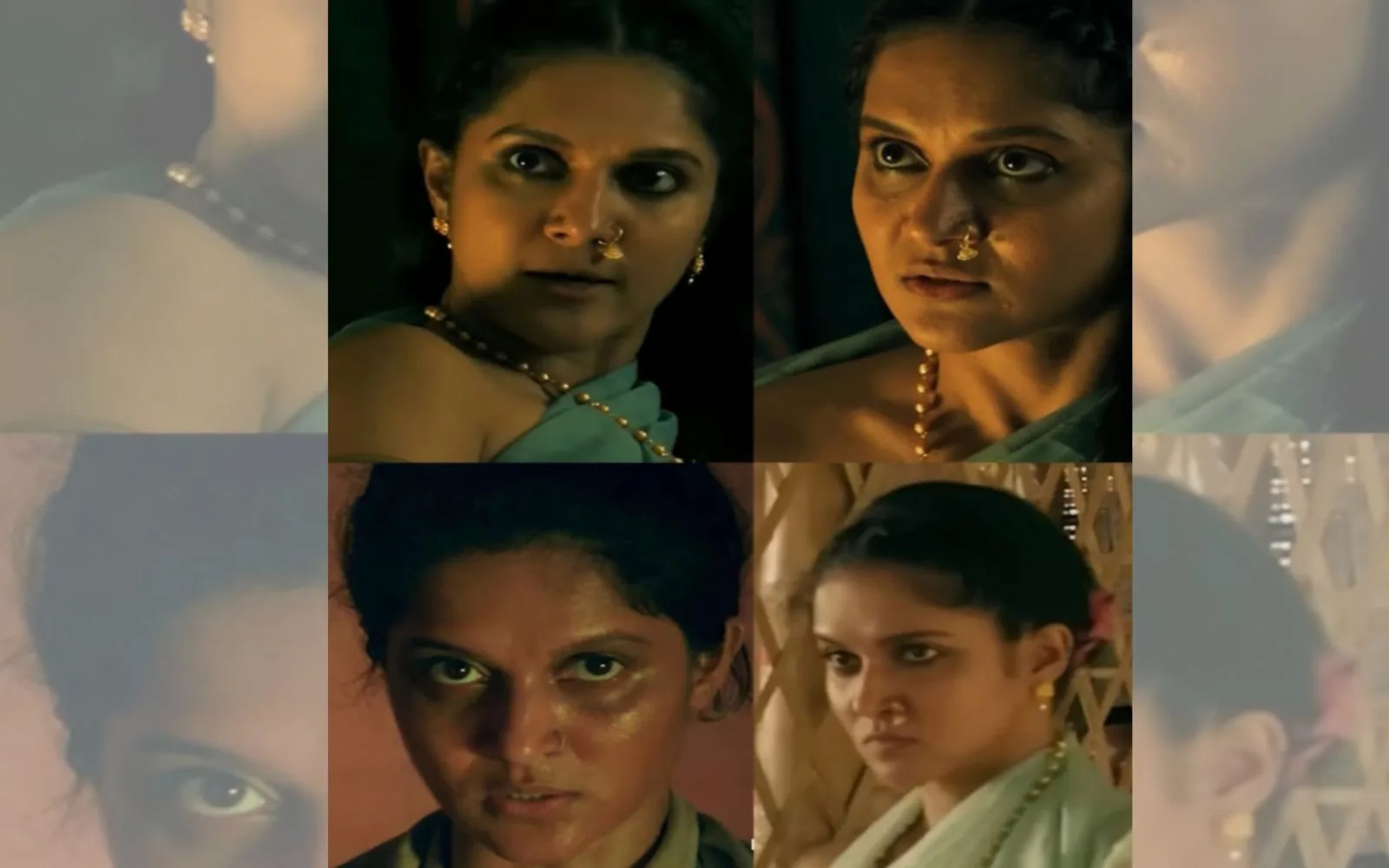
Finally, at the climax of the film, when her truth is exposed, the society unanimously agrees to bury Kongon Dasi alive. It is only because Kajol Rekha, the ‘ideal’ sacrificing woman intervenes that decides to get her ‘merely banished’.
Kajol Rekha is a 400-year-old story, a gitika originally meant simply to tell a musical tale. Yet, it's strange how in its 2024 film adaptation, uses specific visual cues, makeup, and music to make it glaringly obvious that a girl with ambition, and agency is an antagonist, just because it goes against the predecided patriarchal societal norms. The film, moreover, also goes out of its way to reinforce how women ‘should’ behave by punishing the killjoy who refuses to remain at the bottom of the hierarchy. Keeping morality aside, my only question is, is she truly a villain, or just a woman trying to survive in a society that demands her submission?
Reference Ahmed, S. (2023). The feminist killjoy handbook: the radical potential of getting in the way. First edition. Seal.