Little banned joys
As Banned Books Week comes to a close around the world, we look back at some of the legends in that arena. From school-board restrictions to religious condemnation, these novels show how attempts to suppress books can amplify their cultural power. As we go through perhaps what can be called a crisis of literacy, the very act of reading a book can be seen as an act of rebellion.
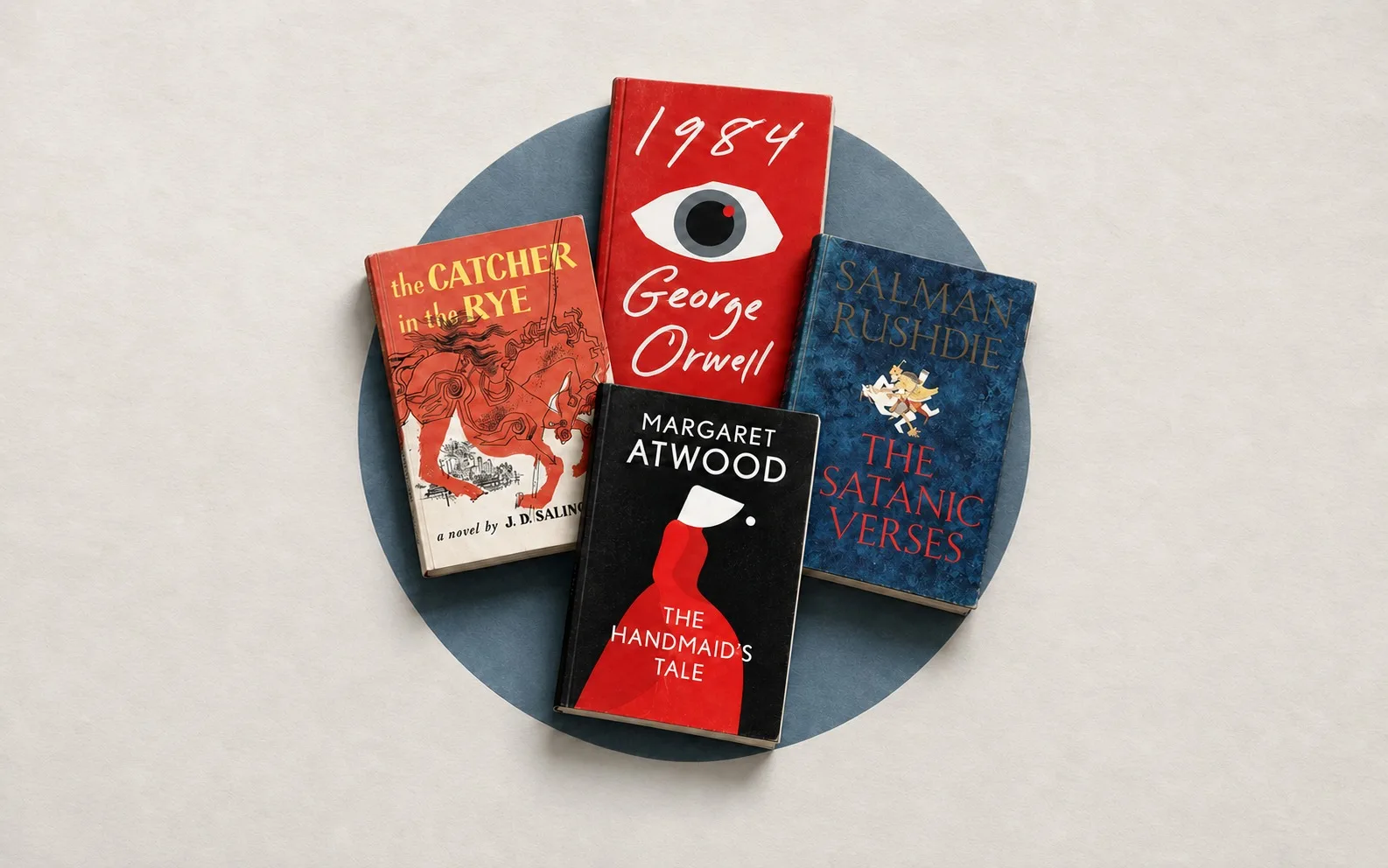
Forbidden things are always a little more fun, and books are no different. If someone doesn’t want you to read it, then it must have something in it worth reading. But what quality is it in a book that would make the authorities want to proscribe it, especially a novel, which is a work of fiction?
In other words, what is that special sauce that gets a book turned into a ‘banned’ book? Alas, there is no single answer to this question. The list of books that have been banned at one time or another is a never-ending one, and many items on that list are so utterly inoffensive, you will be left scratching your head. What constitutes as being ‘banned’ is also a matter of a versatile nature: some books are prohibited temporarily under specific institutional contexts (for example, not allowed in a particular schoolboard), some books are subject to prohibition from sale and distribution imposed at the governmental level, and some books are victims of religious condemnation where the legal parameters of enforcement may be vague or non-existent.
The banned bookshelf then, is a vast one, and part of the fun is trying to figure out who this book would have offended, frightened, or displeased and why. Here are a few such books that are close to my heart.
The Catcher in the Rye by JD Salinger
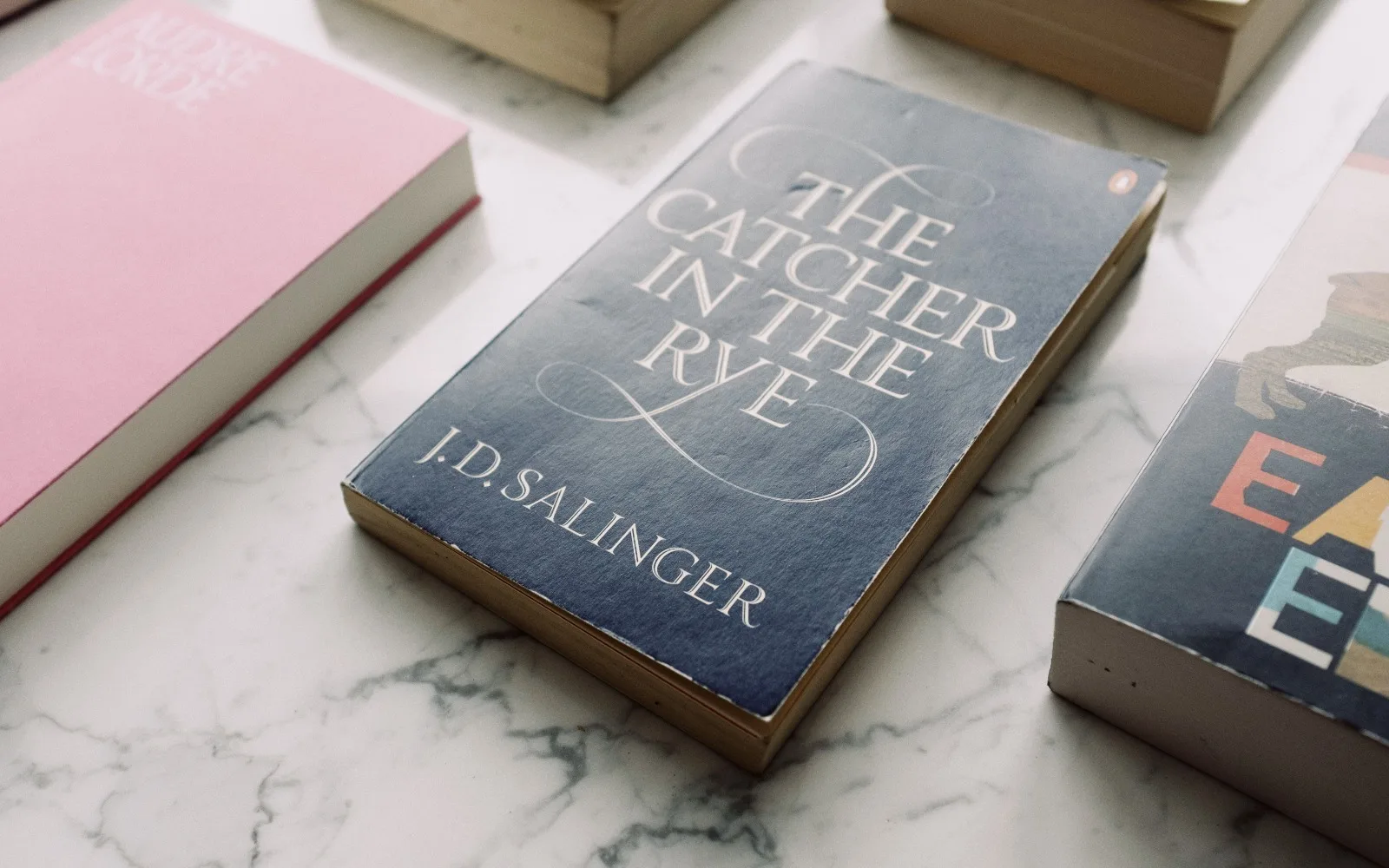
To think this book qualifies as a once ‘banned’ item … I mean this is a piece of YA! It is literally taught in high schools throughout the US and the world. I first read it when I was 16 years old, the same age as the protagonist Holden Caulfield. Holden is an uncorrupted young soul who drifts through life with no clear aim, all he knows is that he finds a lot of things to be ‘phoney.’ Back in the 70s, the book was briefly banned by US school boards for allegedly having a “communist plot” (I have no clue why someone might think that). In 1960 a teacher was fired for assigning it in class, and during the 60s and 70s, it was one of the most heavily censored books in US high schools and libraries. If you haven’t read it yet, I would recommend it in a heartbeat. Catcher is delightful piece of YA, short enough to finish in a day, with highly memorable dialogue. At 16 I enjoyed the book on one level, now, many years later, I love it on a different level. But it was banned. Go figure.
The Satanic Verses by Salman Rushdie
Poor Rushdie! To be one of the most brilliant novelists of our time and to still be associated with that one fatwa! Such is the power of prohibition -- it will get you all kinds of attention. The Supreme Leader of Iran Khomeini himself had not even read the book, nor had most of his underlings. Someone had whispered in his ear that this Rushdie fellow had written a book that was offensive to religion, and so the fatwa was given. This garnered the book an immense amount of publicity, and as a ripple effect of the edict, the book was banned in many places. For a text that has been so widely discussed, with Rushdie used as a poster child of the whole free-speech vs respecting-religious-sentiments debate, not many have actually read the book cover to cover. Admittedly, it is a tough nut to crack, but for those up to the challenge, it offers the most dizzying display of language and story-telling.
1984 by George Orwell
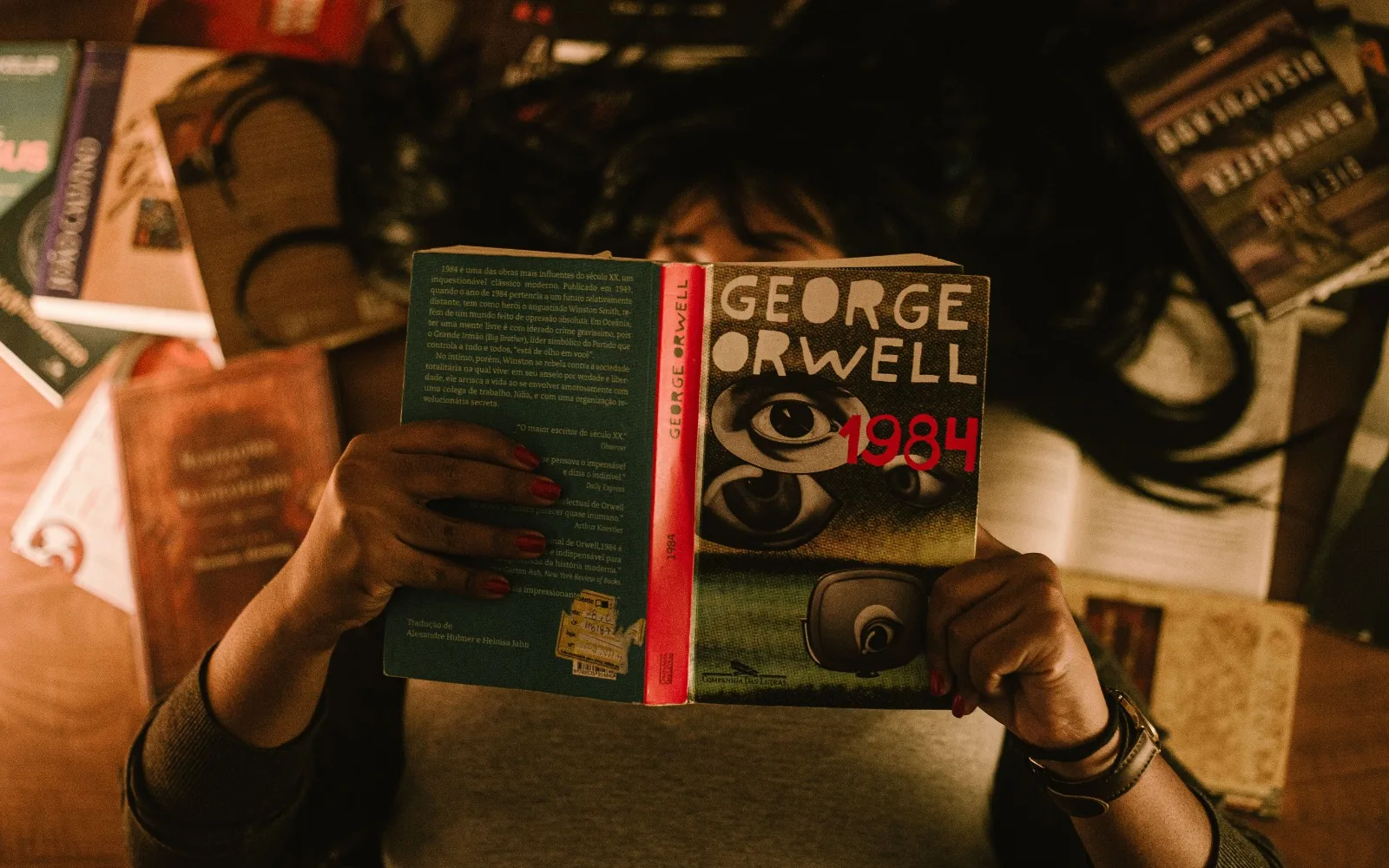
This little classic is basically synonymous with totalitarianism. It is no surprise that it was banned upon publication in the Soviet Union and also tightly restricted in some other top-down authoritarian regimes. The kind of surveillance state that Winston lives in is a never-ending nightmare, and alarmingly, one we have all come to relate to. Brutal dictatorships are alive and well in many parts of the word, and because of new technologies and the chokehold of tech companies on people’s lives, we are already being subject to a greater level of surveillance than even Orwell could have accounted for. If he were alive today though, I doubt he would be surprised at the sinister usage of things like AI and deepfakes and slopaganda. Desperately he may cry out that he meant the book as a warning, not as a manual.
The Handmaid’s Tale by Margaret Atwood
Hello again, dystopia! Atwood’s classic has been frequently banned and removed from school libraries across the world, including in the US and Canada. It shows what society is in danger of turning into if we continue to ignore human rights and normalize sexual violence. So pervasive has been the cultural influence of this book in recent years, that the phrase “it’s like Handmaid’s Tale” has become shorthand for dystopia, patriarchy, misogyny, and any general governmental failure to safeguard human rights, especially women’s rights. The success of the recent TV series starring Elisabeth Moss redirected a whole new cohort back to the original text, driving up sales. Its sequel, The Testaments, won Atwood her second Booker Prize and is now also a TV series. Needless to say, attempts to stop people from reading the book absolutely did not work.
The Sorrows of Young Werther by Johann Wolfgang von Goethe
To finish this list, let’s go back to the past. 1774, to be precise. The German wunderkind Goethe has just published his debut The Sorrows of Young Werther at the age 25, and it is a smash hit. The epistolary novel is classified as fiction, but like so much of Goethe’s work, is inspired by people he actually knew, with the Werther character containing a lot of his own personality. One big difference: Werther commits suicide at the end (sorry about the spoiler, but you had 250 years to read it) and the novelist Goethe did not. Still, after publication, many young men, dressed up in Werther’s style of a blue tailcoat and yellow vest, took their own lives, often carrying a copy of the book in their pocket. The phenomenon became known as the Werther Effect, which caused it to get banned in Italy, Denmark, Austria, and parts of Germany. The ban of course, didn’t prevent Goethe’s rise into literary stardom. If anything, it gave him aura points through the roof, cementing his devoted fanbase, and giving young Johann the launchpad to (eventually) become the biggest name in German literature of all time.
Abak Hussain is a journalist, writer, and reader.