Pakistan Eyes 25,000-Troop Saudi Deployment as Houthi Threat Grows
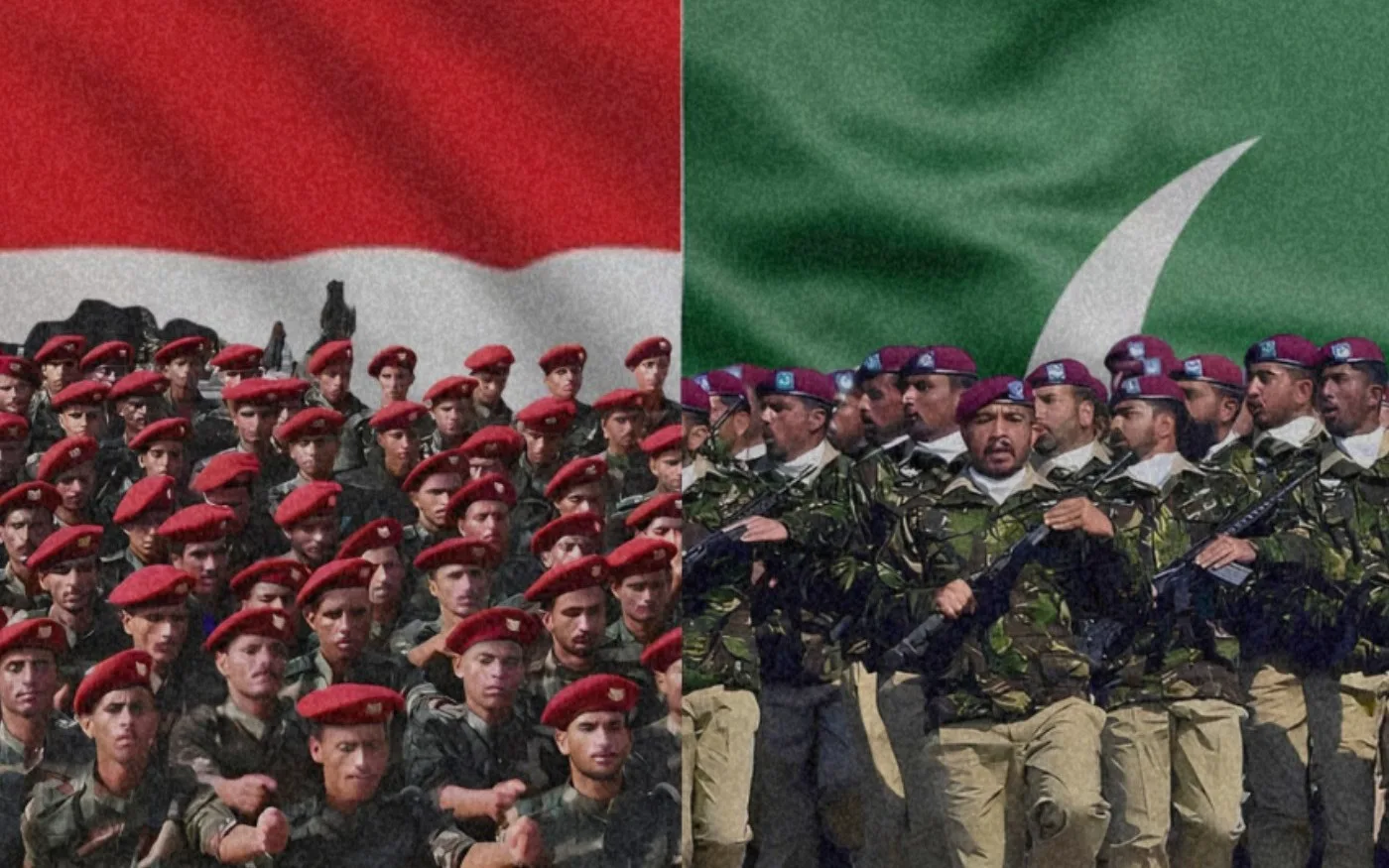
Pakistan is reportedly considering an additional deployment of up to 25,000 troops to Saudi Arabia amid heightened threats linked to Yemen’s Houthi movement; the figure has not been officially confirmed by Islamabad.
Reading
In a Nutshell
- Pakistan is reportedly considering an additional deployment of up to 25,000 troops to Saudi Arabia amid heightened threats linked to Yemen’s Houthi movement; the figure has not been officially confirmed by Islamabad.
- More than 15,000 Pakistani personnel are already reported to be in the Kingdom, alongside prospective support involving air-defence systems, rockets and drones.
- The proposed expansion is framed as defensive support while Saudi Arabia weighs a potentially larger operation against the Iran-aligned Houthis.
- Pakistan and Saudi Arabia signed their bilateral Strategic Mutual Defence Agreement in September 2025, committing each side to treat aggression against one as aggression against both.
- Saudi Arabia, Pakistan and Türkiye signed the Mecca Joint Defence Agreement on 7 August 2026; its collective-defence language describes an armed attack on one signatory as an attack on all three.
- The pact’s military obligations remain unclear: reporting indicates it has no publicly disclosed joint command, standing force or specified automatic trigger for intervention.
Context
The reported Pakistani deployment comes amid intensifying insecurity around Yemen and the Gulf, where Houthi attacks, wider Iran-related tensions and risks to energy infrastructure have put pressure on Saudi air and missile defences. Pakistan-Saudi military cooperation predates the current agreements by decades, including Pakistani training and technical support for Saudi forces; the 2025 pact formalised a more explicit collective-security relationship.
Turkiye’s accession has transformed the bilateral Saudi-Pakistani framework into a trilateral arrangement spanning the Arabian Peninsula, South Asia and Turkiye’s military-industrial base. Yet the agreement’s political signal currently appears stronger than its defined operational architecture, leaving decision-making during a real crisis dependent on leaders’ calculations rather than an established NATO-style command structure.
Why It Matters
A larger Pakistani deployment would deepen Saudi-Pakistan security cooperation as Houthi threats and regional missile risks grow. Pakistan offers trained personnel and air-defence capacity, while Saudi Arabia provides strategic access and financial weight. The Mecca pact also expands this security network to Turkiye, signalling Riyadh’s effort to diversify partners beyond the United States.
The risk is escalation. Even a defensive mission could pull Pakistani forces into confrontation with the Houthis or a broader Saudi-Iran crisis. The pact’s collective-defence clause enhances deterrence, but its unclear operational commitments may create confusion about how members respond to an attack.
What We Think
Bangladesh’s priority is to protect its expatriate workforce, remittance flows, and energy security from any Gulf escalation. A disruption to Saudi infrastructure, airspace or shipping routes could raise fuel and freight costs while putting Bangladeshi workers at risk. Dhaka’s focus can remain on contingency planning for citizens in the Gulf, alternative fuel and shipping arrangements, and close monitoring of labour-market exposure. The Mecca pact remains strategically significant but operationally uncertain, making distance from bloc politics a lower-risk path for Bangladesh.