Russia Warns NATO of Nuclear Response Over Kaliningrad Blockade, reports Reuters
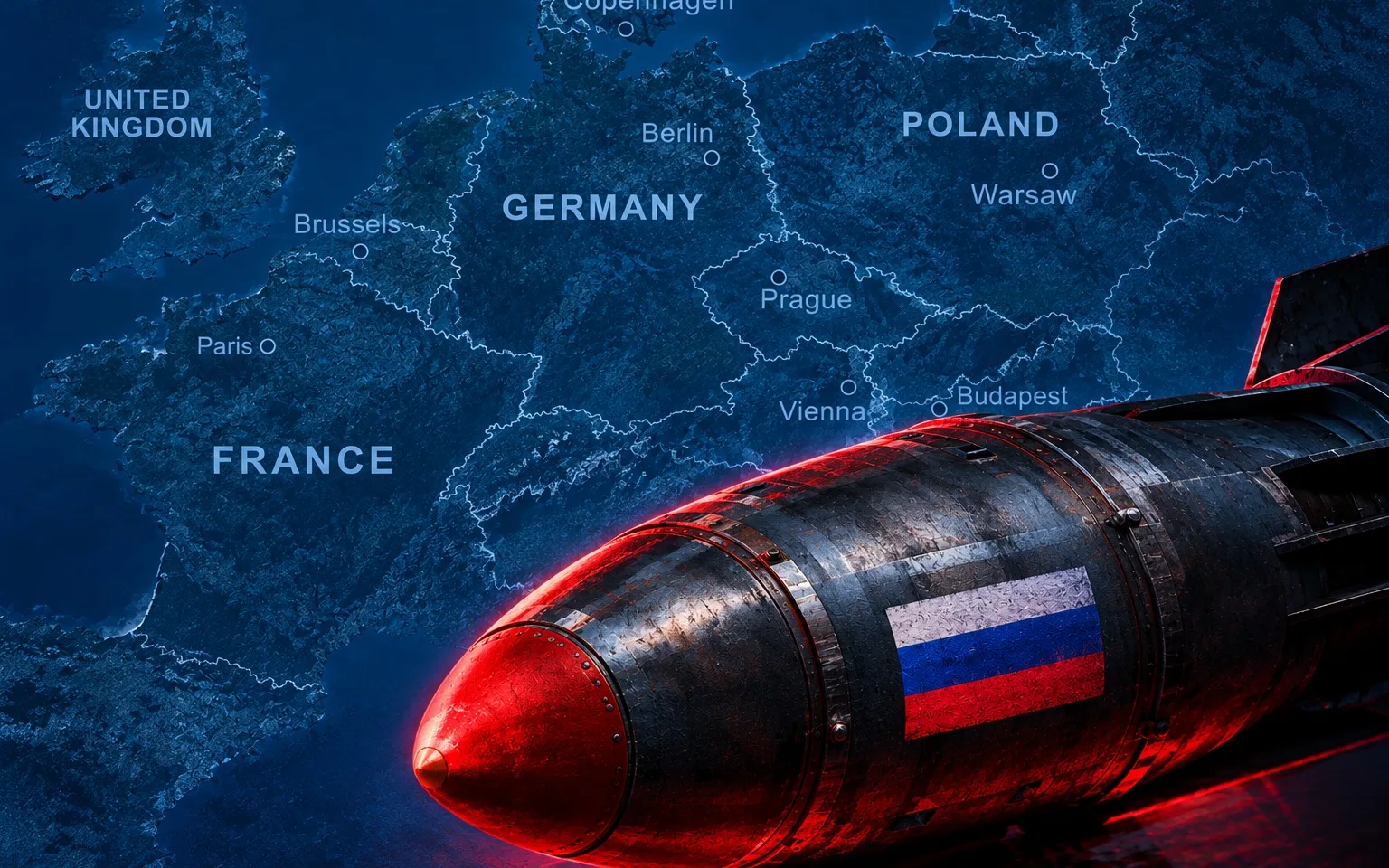
Russia has warned it could use nuclear weapons if NATO tries to isolate Kaliningrad, its heavily militarised exclave on the Baltic Sea. NATO says it is a defensive alliance and poses no threat to Russian territory.
Reading
In a Nutshell:
- In a diplomatic document seen by Reuters, Moscow warned it could use its full arsenal, including nuclear weapons, if NATO tried to cut Kaliningrad off from the rest of Russia.
- The document accused NATO of risking direct armed conflict and warned of possible Russian strikes on alliance decision-making centres.
- NATO Secretary General Mark Rutte said the alliance had no plan to isolate Kaliningrad and called Russia’s nuclear rhetoric irresponsible. He said there was no imminent threat to NATO territory.
- Tensions are rising as European governments accuse Russia of hybrid attacks and NATO continues supporting Ukraine. Meanwhile, Moscow denies preparing to attack NATO countries.
Context
Kaliningrad is a Russian territory on the Baltic Sea, bordered by the North Atlantic Treaty Organisation (NATO) members Poland and Lithuania. According to the report by Reuters, Russia says it would use any means necessary, including nuclear weapons, to defend the exclave if NATO tried to isolate it. NATO says its exercises and activities pose no threat to Russia. NATO is a collective-defence alliance. Under Article 5, an armed attack on one member is treated as an attack on all, though each member decides what action it considers necessary. The alliance was founded in 1949 and now includes countries across Europe and North America.
Why It Matters
This escalation shows how unstable security remains along NATO’s eastern border, with places such as Kaliningrad quickly becoming centres of tension. Russia’s open nuclear threats in response to defensive steps make any mistake in the region more dangerous.
What We Think
Nuclear threats are not diplomacy; they are intimidation with consequences for the whole world. Thus, it's better for the world to treat every nuclear threat with urgency because a European conflict as such is bound to reach countries far beyond the Baltic, including Bangladesh and disrupt energy markets, shipping, trade and the global economy.