Shahe Alam Calls for Faster Solar Installations Across Govt Institutions
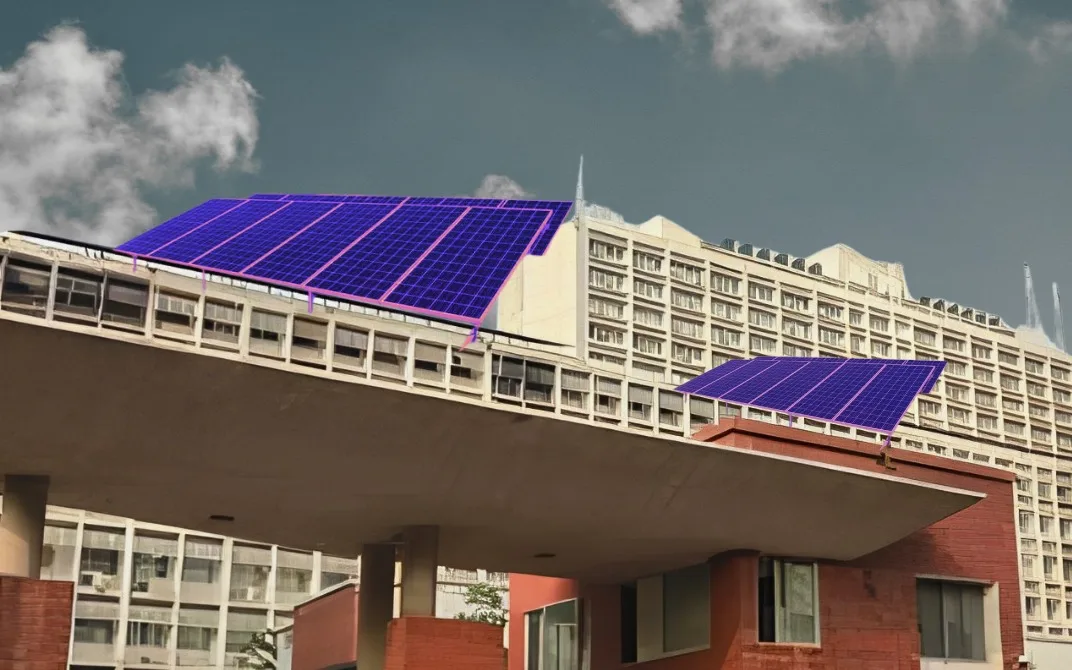
LGRD State Minister Mir Shahe Alam has called for the faster implementation of solar power plans across government offices and institutions as Bangladesh expands its use of renewable energy. The push comes alongside new rooftop solar incentives for households and public investment in solar, as the country seeks to reduce its exposure to imported fuel costs.
Reading
In a Nutshell
- Shahe Alam has asked government agencies to implement their solar action plans quickly and regularly review progress.
- The government has allocated Tk370 crore for rooftop solar at city corporations, upazila parishads, municipalities, union parishads and district councils.
- Solar plans are also being extended to educational institutions and other public facilities, with surplus electricity eligible for supply to the national grid through net metering.
- The government has set a target of meeting 20% of electricity demand from renewable sources by 2030, including 5,500MW from rooftop solar and 4,500MW from ground-mounted solar.
- A Tk1,500 crore financing facility will offer renewable energy loans at up to 6% interest for households, institutions and industries.
Context
Shahe Alam’s latest call follows an August directive to install solar panels in phases at key government establishments, while his ministry has been expanding the programme to local government offices. The Tk370 crore allocation announced last week covers five types of local government bodies, including 3,000 union parishads.
The push also extends to households. Earlier this September, the government announced incentives for consumers installing rooftop solar systems by February 28, 2027. For providing surplus electricity to the national grid, consumers can receive Tk10.50 per unit, with the rate guaranteed until February 28, 2030. A separate Tk1,500 crore fund will provide financing at up to 6% interest, while import taxes on several solar components have also been reduced.
Why It Matters
The solar drive is taking place as imported energy has become more expensive and more vulnerable to external disruption in recent months, following the closure of the Strait of Hormuz during the US-Iran war. BPC incurred an additional Tk23,000 crore in fuel import costs between March and August, while freight charges rose sharply.
This makes the government’s renewable target more than a capacity expansion exercise. Every additional unit generated from a rooftop reduces the electricity demand that would otherwise have to be met by a power system heavily exposed to imported fuel and LNG prices.
What We Think
The government is building the solar push around three groups at once: public institutions, private users and households. That is a more substantial approach than relying on large solar plants alone, because thousands of existing rooftops can serve as small generation sources, while consumers can recoup part of their investment by selling surplus power.