The Bitter Truth about Your Tea
Behind the picturesque hills, Bangladesh’s tea workers remain trapped in a colonial system of micro-wages and landlessness
“I cannot function without my first cup of tea in the morning,” says Munira.
“The aroma, the taste, the satisfaction of a well-made cup of tea is an unexplainable euphoria. No one can fathom its importance in my life. There are uncountable shared stories and memories made over a cup of tea. I am extremely emotional when it comes to tea, it's not just a drink. It is my life, my wellness ritual.” shares Munira as she sips on her sixth cup of tea of the day.
But do the tea workers of Bangladesh feel the same about tea?

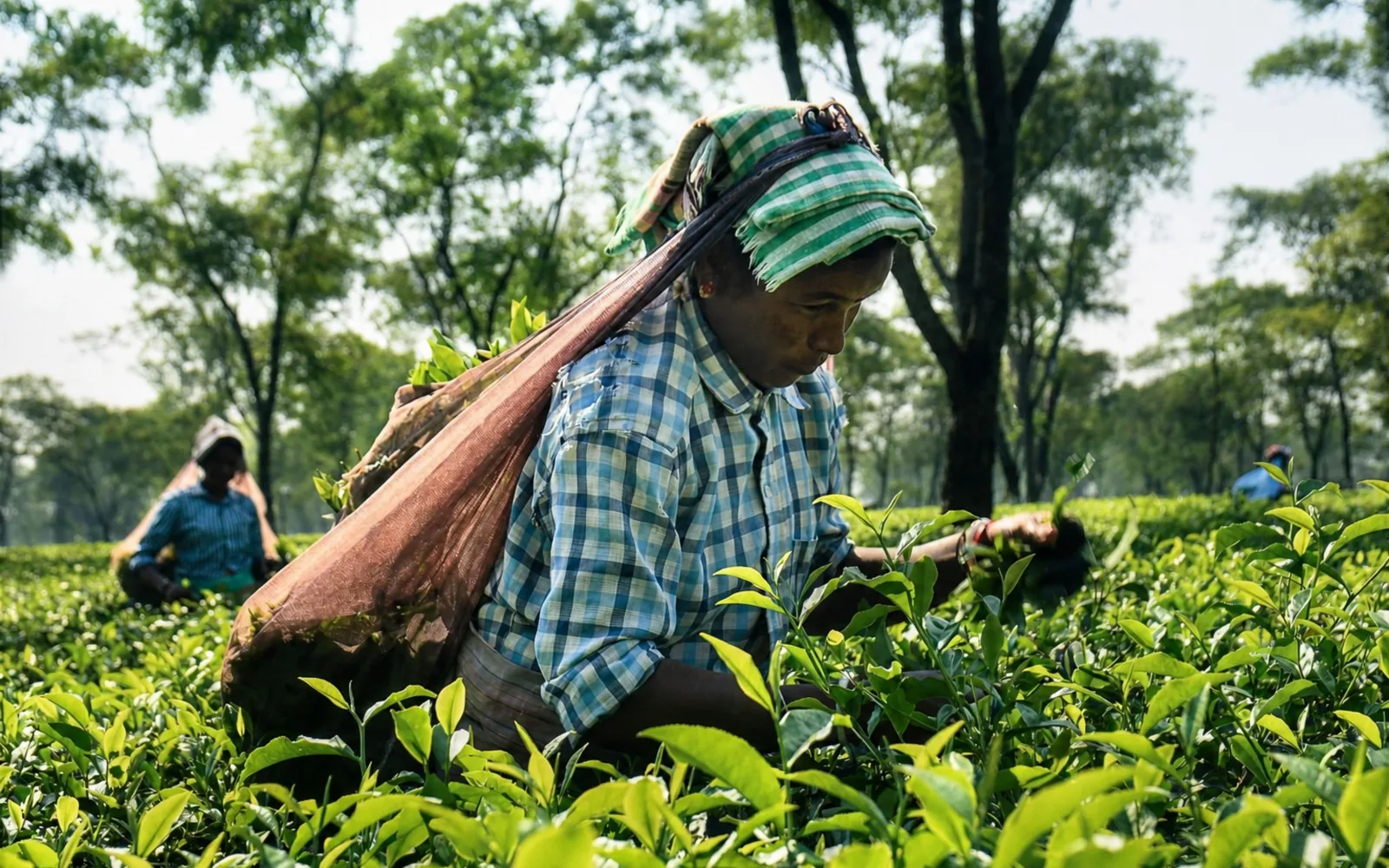
Behind the lush, picturesque green hills of Sreemangal and Sylhet, a quiet but fierce human rights struggle is unfolding. Over the last few months, Bangladesh's tea workers have intensified protests across dozens of plantations, demanding a baseline daily cash wage of Tk 500.
The harsh reality is that the current official daily minimum wage stands at a mere Tk 187 to Tk 196. When adjusted for today's high inflation, this micro-wage equals a monthly income of less than Tk 6,000—a sum that forces approximately 97% of these families into extreme multidimensional poverty and structural hardship.
To justify these numbers, the Bangladesh Tea Association (BTA) often utilises an accounting tactic known as factoring in "fringe benefits". Estate owners claim that by providing basic housing, heavily subsidized rice rations (at Tk 2/kg), and elementary medical care, the total value provided to a worker equals roughly Tk 560 per day.
“Tea workers already get plenty of benefits such as housing, rice and elementary medical care. Why would they need more cash in hand? An increase in their wage will overall increase the cost of production and disrupt the price of tea!” says Mr. KMM (pseudonym), a tea garden owner who recently bought his third car for the family, an electric vehicle worth Tk. 6.5 million. Only due to the hike in oil price and to avoid the long lines at the fuel stations.
However, looking at the legal framework, Section 2(45) of the Bangladesh Labour Act, 2006 strictly nullifies this argument; it explicitly mandates that amenities like housing, electricity, water, and medical care cannot legally be counted as part of cash wages. Furthermore, 135 eminent citizens, academics, and activists recently signed a solidarity statement pointing out the severe human cost of this system.
Data from the Institute of Nutrition and Food Science highlights that a single male tea worker burns around 3,464 kilocalories during a grueling 10-hour shift, yet a family of five needs at least Tk 750 to Tk 1,250 a day just to afford basic food—leaving zero room for education, healthcare, or clothing. Some of the tea workers have also been seen to have plain rice with salt and mashed tea leaves stating that they cannot afford fish or meat with their meagre income.
Even within Bangladesh, informal urban labourers like rickshaw pullers take home Tk 800 to Tk 1,000 daily, casting the tea workers' situation into deep relief. Stripped of formal employment status, vulnerable to immediate wage cuts if they miss a day due to illness, and largely landless despite cultivating these fields for five generations, the workers are not demanding a luxury. The Tk 500 demand is fundamentally a plea for a living wage that ensures basic human dignity. As consumers, the ultimate question remains: how much human dignity are we willing to pay for the person who picks the leaves in our cup?
When looking at the global supply chain, Bangladeshi tea workers suffer under some of the lowest wages in the entire industry. A regional comparison reveals a stark gap in labour compensation compared to India, Kenya and Sri Lanka.
How "Labour Captivity" Was Engineered
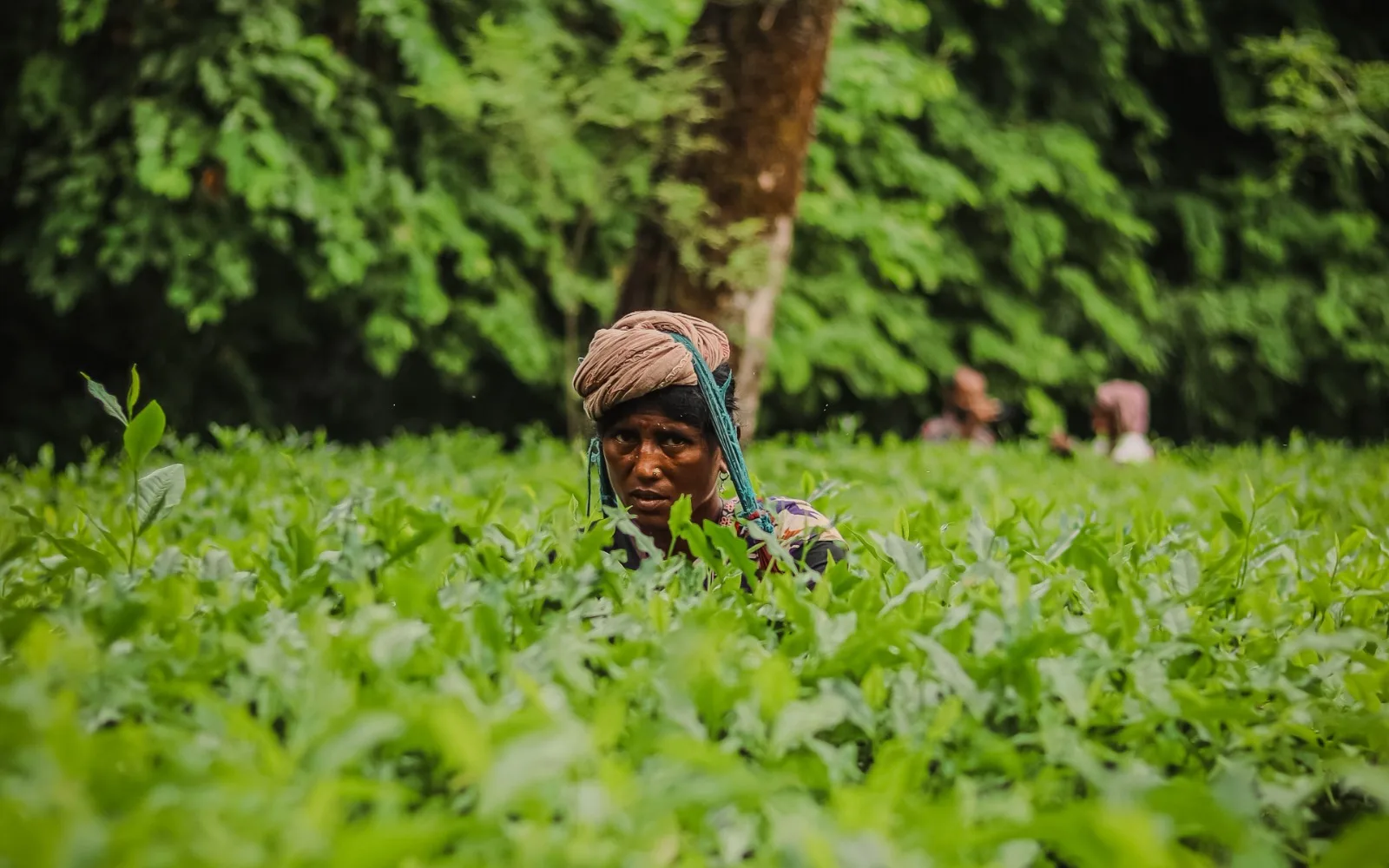
To understand why Bangladesh’s tea workers are bound to the estates, one must look back to the 1850s. The British colonial administration needed a massive, cheap, and easily controllable workforce to clear the dense jungles of the Sylhet region. They recruited impoverished, marginalized Dalit and Adivasi communities from famine-stricken regions of modern-day India (such as Bihar, Odisha, and Jharkhand).
These vulnerable families were lured with false promises of land ownership and prosperous lives. Upon arrival, however, they were subjected to oppressive legal frameworks, such as the Workman’s Breach of Contract Act of 1859, which criminalized leaving the plantation without permission.
The colonial owners purposefully engineered a system of "labour captivity". They deliberately isolated the workers geographically, culturally, and linguistically from the mainstream Bengali population. By providing housing exclusively inside the estate lines, they created a structural trap: a worker's right to shelter was entirely dependent on their employment. If a worker quit, their entire family faced immediate eviction. This effectively transformed free human beings into generational, indentured labourers.
The Colonial Architecture Remains Intact
Nearly two centuries later, the colonial architecture remains intact, heavily compromising the future of the workers' children. Because tea workers do not legally own the land their families have lived on for five generations, their children inherit absolute landlessness.
This lack of property creates severe long-term consequences such as intergenerational poverty, systemic educational deprivation and social isolation.
This lack of property creates severe long-term consequences such as intergenerational poverty, systemic educational deprivation and social isolation.
Past Promises vs. The Current Reality
Over the decades, successive Bangladeshi governments have made repeated, public commitments to uplift the tea-working community, primarily promising permanent land settlement rights, modern housing, and upgraded state-mandated healthcare and schooling. Yet, these promises have consistently fallen short of meaningful legal execution. The land remains under the strict control of state leases granted to wealthy estate owners, leaving the workers with zero legal title to their homes.
In the current landscape, frustration has reached a boiling point. The Ministry of Labour and Employment recently committed to reviewing and resetting the minimum wage. However, workers feel pushed to the brink due to the Minimum Wage Board's highly controversial 2023 gazette, which capped their automatic annual wage increases at a meager 5%, amounting to a raise of only about Tk 8 to Tk 9.
As a result, massive, sustained protests and indefinite work stoppages have erupted across major tea-growing hubs like Sylhet and Habiganj. Organised groups are firmly blocking highways and refusing to pick leaves until the government and estate owners honor four non-negotiable demands which include a raise in daily cash wage, repealing the 5% pay-hike gazette, establishing land rights and holding fair elections for the Bangladesh Tea Workers' Union (BTWU).
Drinking tea which was acquired unethically will seldom provide peace in the form of caffeine. From diamonds to cocoa, exploitation of workers exists in colonised countries. The British have left but their systemic labour captivity still continues. Is Bangladesh really free from exploitation? Something to discuss over a cup of tea.