WORLD
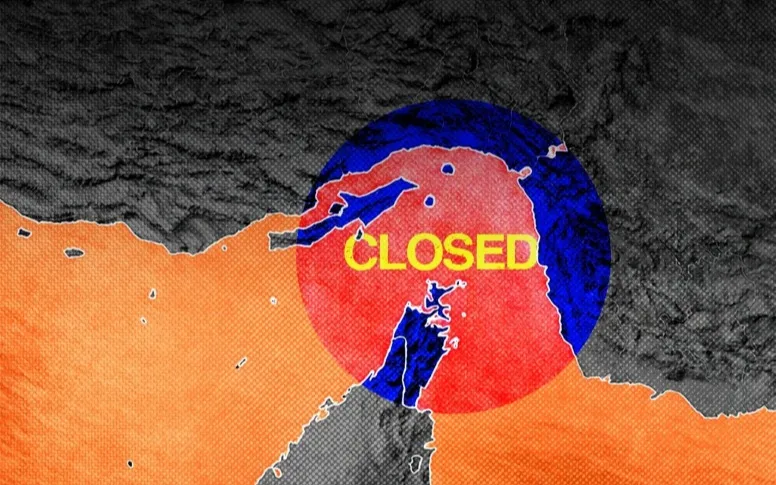
Trump says US to become 'guardian' of the Strait of Hormuz, collect 20% tolls on passing cargo as Iran keeps waterway closed
Trump says the US will become the 'guardian' of the Strait of Hormuz and immediately collect a 20% toll on cargo amid renewed US‑Iran attacks.
LISTEN3:02
Bionic
Reading
Reading
BIONIC READING
In a Nutshell:
- Trump made the announcement in a Fox News interview and a Truth Social post on Monday, shortly after the US and Iran traded fresh attacks, with Iran striking US military sites in Bahrain, Kuwait, Oman, and Jordan, and US forces targeting port cities along Iran's coast.
- Trump said the US will collect a 20 percent toll on all cargo shipped through the strait as reimbursement for providing safety and security, and said the process will begin immediately.
- The announcement effectively dissolves another key provision of the memorandum of understanding both sides signed in June, which had agreed to end fighting, lift the US naval blockade, and reopen the strait to shipping.
Why it Matters
The Strait of Hormuz is the single most critical chokepoint for global energy supply, and Bangladesh's energy imports, fuel prices, and export shipping costs are all directly exposed to any prolonged disruption there.
- Bangladesh depends heavily on fuel imports and its garment export shipping routes pass through waters connected to the strait, meaning any sustained spike in oil prices or freight costs will feed directly into inflation and export competitiveness.
- Around 20 percent of the world's oil and gas exports normally pass through the strait, and a reimposed blockade combined with fresh attacks has already caused a drastic decline in commercial vessel traffic since the latest escalation, with oil prices jumping in response.
- The MoU signed in June had briefly restored confidence in the waterway, triggering a sharp increase in shipping traffic, but Trump's announcement and the resumption of attacks now threaten to unravel that recovery entirely.
What We Think
The MoU signed in June was already fragile, with both sides interpreting its language differently on who controls passage through the strait. Trump's announcement does not mark a breakdown so much as a confirmation that the agreement was never settled to begin with.
- Iran has consistently maintained that the MoU allows it to assert control over which vessels pass through the strait, while the US has insisted the agreement opens the waterway to all traffic during the 60-day negotiation window. Both positions cannot be true at the same time, and neither side moved to resolve that contradiction before the fighting resumed.
- Both sides have signalled they do not want to return to full-scale war, but the pattern of trading attacks while keeping negotiations nominally alive suggests neither side has a clear exit, and the strait is becoming the arena where that deadlock plays out.