Why China Strongly Opposes US Policy on Iran and Cuba at the UN
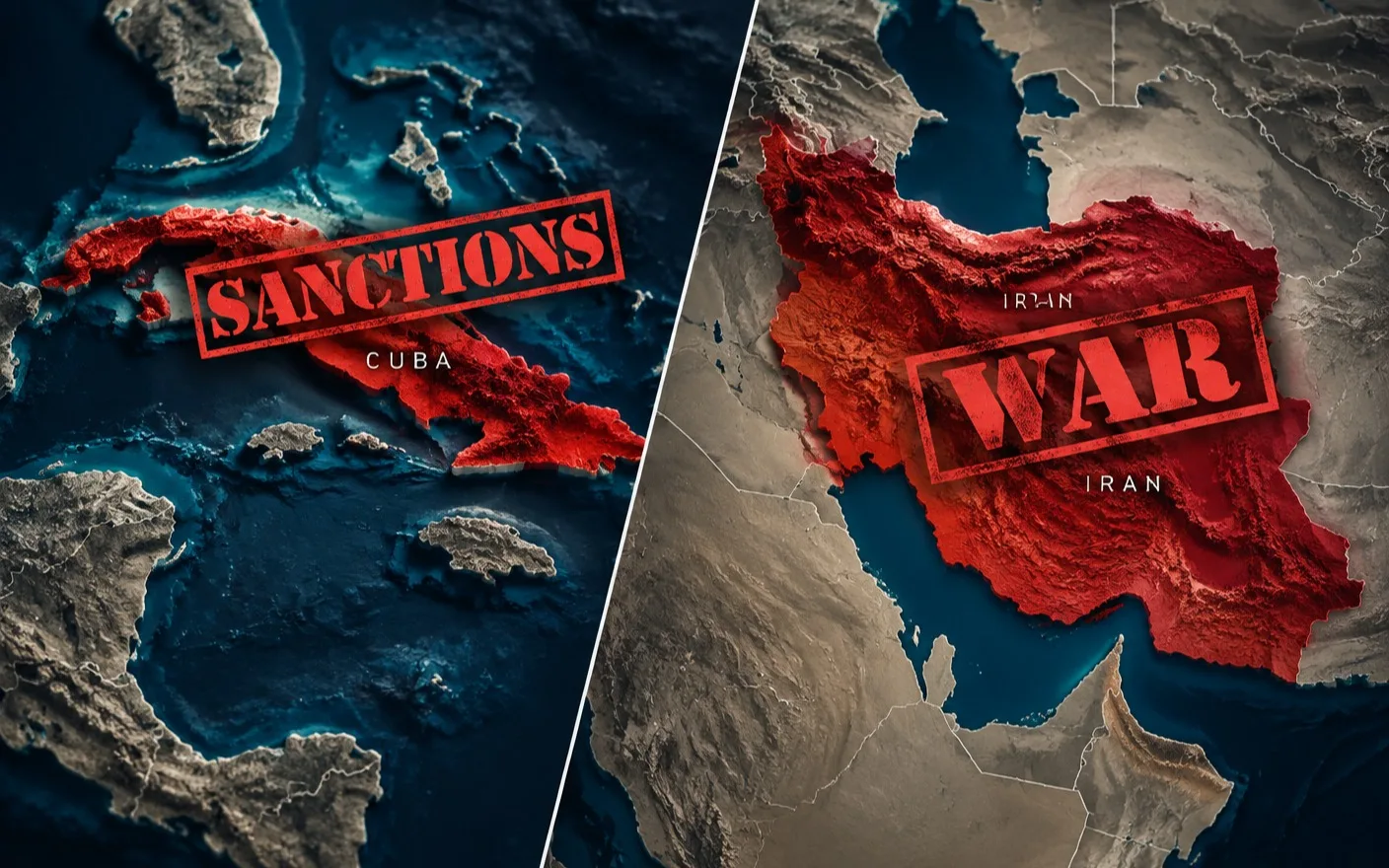
China’s Vice President Han Zheng criticised US policies toward Iran and Cuba at the UN General Assembly, calling for respect for regional sovereignty and an end to threats and sanctions.
Reading
In a Nutshell:
- Without naming the United States directly, China’s Vice President Han Zheng called for respect for the sovereignty and security of countries in the Persian Gulf and the wider Middle East and urged the country threatening Cuba to stop and lift its blockade and sanctions.
- The remarks followed a US-Israeli war against Iran that began in February and spread to other parts of the Middle East.
- US pressure has also cut off most of Cuba's oil supplies, worsening the country’s energy crisis.
- Han’s speech contrasted with the public reception Chinese President Xi Jinping received from President Donald Trump in Washington earlier in the week.
Context
Speaking at the 81st session of the UN General Assembly, China’s Vice President Han Zheng said major powers have a special responsibility to uphold international peace, security and the rule of law. He presented China as a supporter of developing countries and argued that disputes should be settled through dialogue. There are reports that China had previously supplied Iran with shoulder-fired air defence missiles and helped Tehran find ways to sell oil despite US sanctions. Han’s remarks came after Trump reportedly urged Chinese President Xi Jinping not to provide Iran with any kind of support.
Why it matters
China’s criticism of the US at the UN General Assembly shows the growing tension between Washington and Beijing, especially over issues such as the Middle East and Latin America. Moreover, China’s opposition to US sanctions and blockades shows how major powers are using international forums to challenge each other’s influence. Amid this, the rivalry complicates diplomatic solutions and heightens economic uncertainty for regions such as the Middle East and countries like Cuba, which are facing energy shortages.
What we think
China’s call for sovereignty and dialogue puts pressure on the US to reconsider its approach. At the same time, it reflects the wider competition between the two powers. The criticism, coming soon after talks between Presidents Xi and Trump, further shows that disagreements between Washington and Beijing remain despite diplomatic engagement.