The Spaces That Get Inside Our Heads
Long before our minds process a room, our bodies feel it. Architecture talks directly to the nervous system, deciding how we feel.
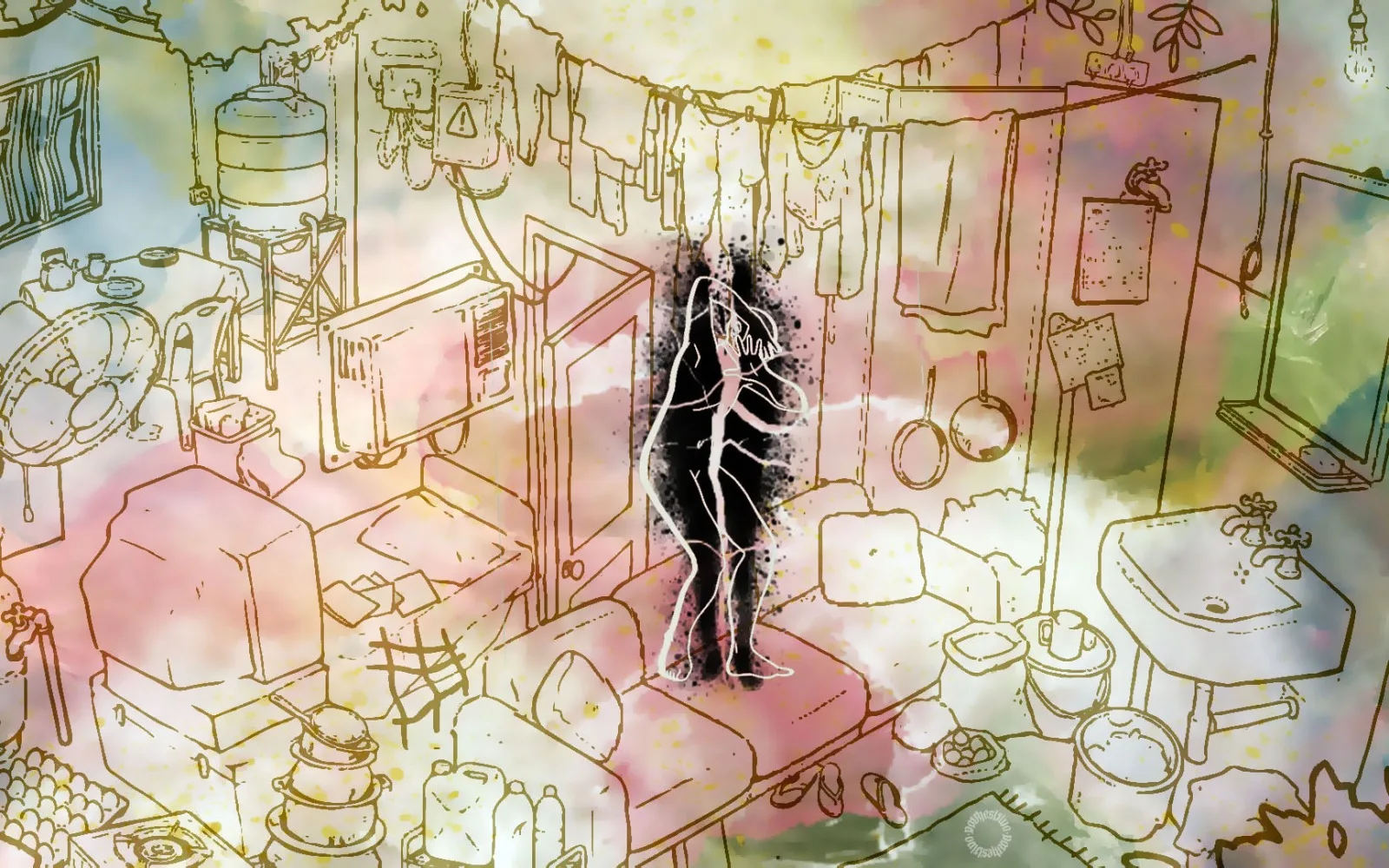
There are places the body remembers before the mind does.
A hospital corridor can tighten the chest. Neon light can make an already restless mind feel exposed. A locked door can mean safety to one person and captivity to another. Sometimes a room can be exquisitely beautiful and still feel impossible to inhabit.
We rarely call these architectural experiences. Yet architecture is constantly conversing with the nervous system, mostly without our permission.
As an architect, researcher and mental-health counsellor, I have become fascinated by this quiet exchange between the built environment and the psyche. Architecture taught me to read proportion, material, circulation, climate and structure. Counselling brought me closer to another kind of spatial knowledge: attachment, trauma, avoidance, sensory thresholds, defence, autonomy and the peculiar logic of human behaviour.
The two perspectives have become difficult to separate.
We never enter a building empty. We arrive carrying memory, fear, desire, habit and histories we may not even consciously recognise. Someone living with trauma may experience proximity as threat. Someone accustomed to surveillance may instinctively map every exit. A person overwhelmed by sensory stimulation can experience an ordinary crowded room as an assault.
The Nervous System Is, In Its Own Strange Way, An Architect
It notices what the drawing does not. Light. Heat. Noise. Distance. Enclosure. Visibility. Privacy. The possibility of retreat. These things rarely appear in photographs of buildings, yet they can determine whether a place feels restorative or oppressive. This becomes especially consequential when architecture is used for mental-health care.
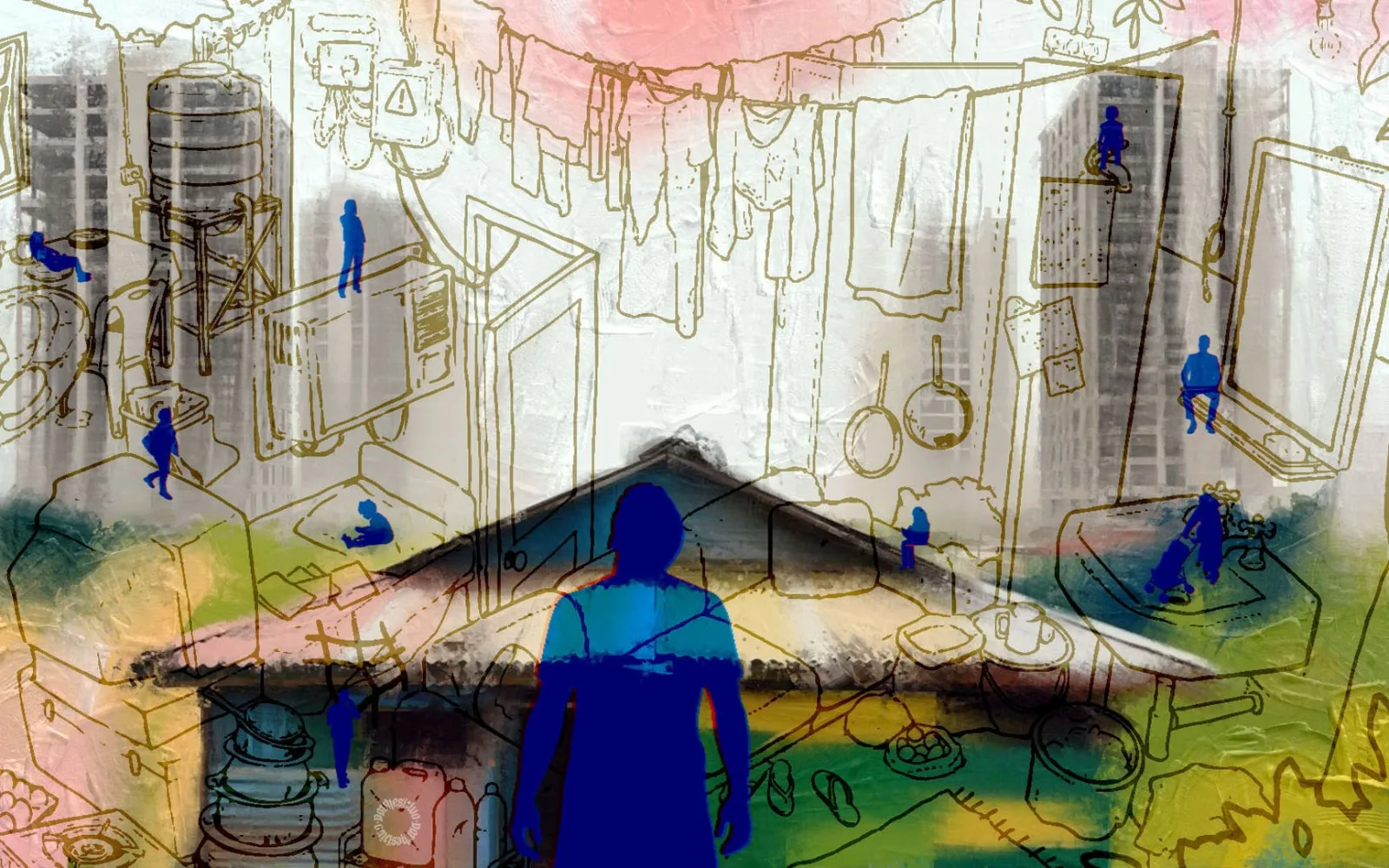
Institutional psychiatry has a long history of spaces organised around containment: restricted movement, surveillance, rigid routines and controlled access. Some safeguards are necessary, particularly in acute care. But when protection becomes indistinguishable from control, the architecture can quietly reinforce the idea that the person inside it is someone to be managed rather than someone capable of recovery.
Bangladesh is beginning to move beyond that older paradigm. The Mental Health Act 2018 replaced the colonial-era Lunacy Act of 1912 and formally recognises care, rehabilitation and the rights and dignity of people with mental illness. National planning has increasingly emphasised community-based and integrated mental-health services. WHO has reported the establishment of mental-health service centres across 19 districts and sub-districts, offering counselling, psychosocial support, medication management and referral services.
Yet a difficult spatial question remains: where does recovery actually happen?
Treatment And Rehabilitation Are Not The Same Thing
A consultation room can provide clinical care. A hospital can stabilise a crisis. Psychosocial rehabilitation concerns the slower work that follows: rebuilding confidence, relationships, independence, routine and participation in ordinary life.
Bangladesh needs spaces designed for that transition.
This question sits at the heart of my Master's thesis, Healing Spaces: Architectural Interventions to Foster Mental Well-Being in Dhaka's Rehabilitation Facilities. My research examines how daylight, ventilation, sensory comfort, greenery and spatial organisation can influence psychological wellbeing within rehabilitation environments, using site observations, questionnaires, interviews and environmental assessment.
What began as a study of healing environments has increasingly revealed a larger architectural absence.

We need a more coherent framework for psychosocial rehabilitation in Bangladesh, not a psychiatric hospital with softer colours, but a different spatial philosophy altogether. An environment where privacy does not become isolation, where community does not become forced interaction, and where movement, rest, creativity, counselling and ordinary social life can exist alongside one another.
This matters profoundly in Dhaka. The city subjects its inhabitants to an almost continuous sensory weather of traffic, construction, heat, crowds, noise and visual excess. Restorative open space is scarce. For someone already living with anxiety, trauma or sensory dysregulation, these conditions can become more than inconvenience.
Gender Adds Another Layer
For many women, navigating Dhaka involves an invisible calculus of visibility, proximity, harassment and safety. The city may be technically accessible while psychologically demanding constant vigilance. Architecture therefore participates in questions of gender, power and autonomy whether it acknowledges them or not.
Autonomy becomes particularly important inside institutions. Someone accustomed to having decisions made for them may experience a small spatial choice, where to sit, when to withdraw, whether to join others, as a meaningful restoration of agency.
This is why I am wary of reducing "healing architecture" to plants, pale palettes and generous windows. Biophilia matters. Daylight matters. Ventilation matters enormously in our climate.
But a beautiful courtyard cannot compensate for surveillance. A plant cannot manufacture dignity. A sunlit room can still feel psychologically coercive.
Healing is not an aesthetic. It is a relationship between person, place, care and agency.
My counselling practice has made this especially clear. Human beings rarely behave as neatly as plans suggest. People seek connection and fear it. They resist care while needing it. They withdraw, perform, attach, dissociate and contradict themselves, sometimes within the same hour. Architecture encounters all of this complexity.
That is why I believe architects need to become more curious about human behaviour, not simply more accomplished at producing form.
Architecture cannot cure trauma. It cannot replace therapy, medication, family support or social change. But it can create environments that continually demand vigilance, or environments that give the nervous system somewhere to settle. For Bangladesh, the next architectural question is therefore not simply how to build more mental-health facilities. It is how to create places where a person can move, gradually and with dignity, from treatment back towards life.
We construct spaces. Then, quietly, they begin constructing us. That may be architecture's most intimate responsibility.
My thesis is one attempt to investigate that possibility. The larger challenge is to develop a psychosocial rehabilitation framework that belongs to Bangladesh: climatically responsive, culturally situated, psychologically informed and generous enough to recognise that no human being can be reduced to a diagnosis.
We construct spaces. Then, quietly, they begin constructing us. That may be architecture's most intimate responsibility.
Venessa Kaiser is an architect, multidisciplinary artist, poet, mental health practitioner & researcher.